
Introduction
Sleep is one of the most important foundations of good health, yet many adults struggle to get enough rest. Busy work schedules, stress, and late-night screen use can disrupt natural sleep health, leaving people tired, irritable, and less productive. Establishing sleep routines for adults is key to improving both mental and physical health. In this article, we’ll explore why sleep routines matter, common challenges adults face, and practical steps to create habits that support better rest and overall wellbeing.
Why Sleep Routines Are Important for Adults
A consistent sleep routine does more than help you fall asleep faster. It regulates your body’s internal clock, known as the circadian rhythm, which controls energy levels, hormone production, and mood. Adults who maintain regular healthy sleep habits often experience:
- Improved concentration and memory
- Better emotional balance and stress management
- Increased energy and productivity
- Reduced risk of chronic illnesses
Experts emphasize that good sleep is essential for mental health. Adults who prioritize their sleep routines are more resilient to stress and less prone to anxiety or depression.
Understanding Adult Sleep Patterns
Sleep is not just a single state of rest; it cycles through several stages. Adults experience light sleep, deep sleep, and rapid eye movement (REM) sleep. Each stage plays a unique role in recovery, memory consolidation, and emotional regulation.
- Light sleep: Prepares the body to transition into deeper restorative stages
- Deep sleep: Supports physical recovery and immune system health
- REM sleep: Critical for emotional processing, learning, and memory
Sleep needs change as adults age, with most adults requiring 7–9 hours of sleep per night. Disruptions to these stages, such as irregular bedtimes or late-night screen exposure, can reduce sleep quality and leave you feeling exhausted.
Common Sleep Challenges Adults Face

Adults face unique challenges when trying to maintain healthy sleep routines:
- Stress and anxiety: Racing thoughts at night can delay sleep onset
- Irregular schedules: Work, social commitments, and travel can disrupt sleep
- Screen exposure: Blue light from phones and computers interferes with melatonin
- Lifestyle habits: Late caffeine, alcohol, or heavy meals can affect rest
- Sleep environment: Noise, light, or uncomfortable bedding can prevent restorative sleep
Addressing these challenges is the first step toward establishing consistent and effective sleep habits.
How to Build a Sleep Routine for Adults
Creating an effective sleep routine involves small, consistent steps:
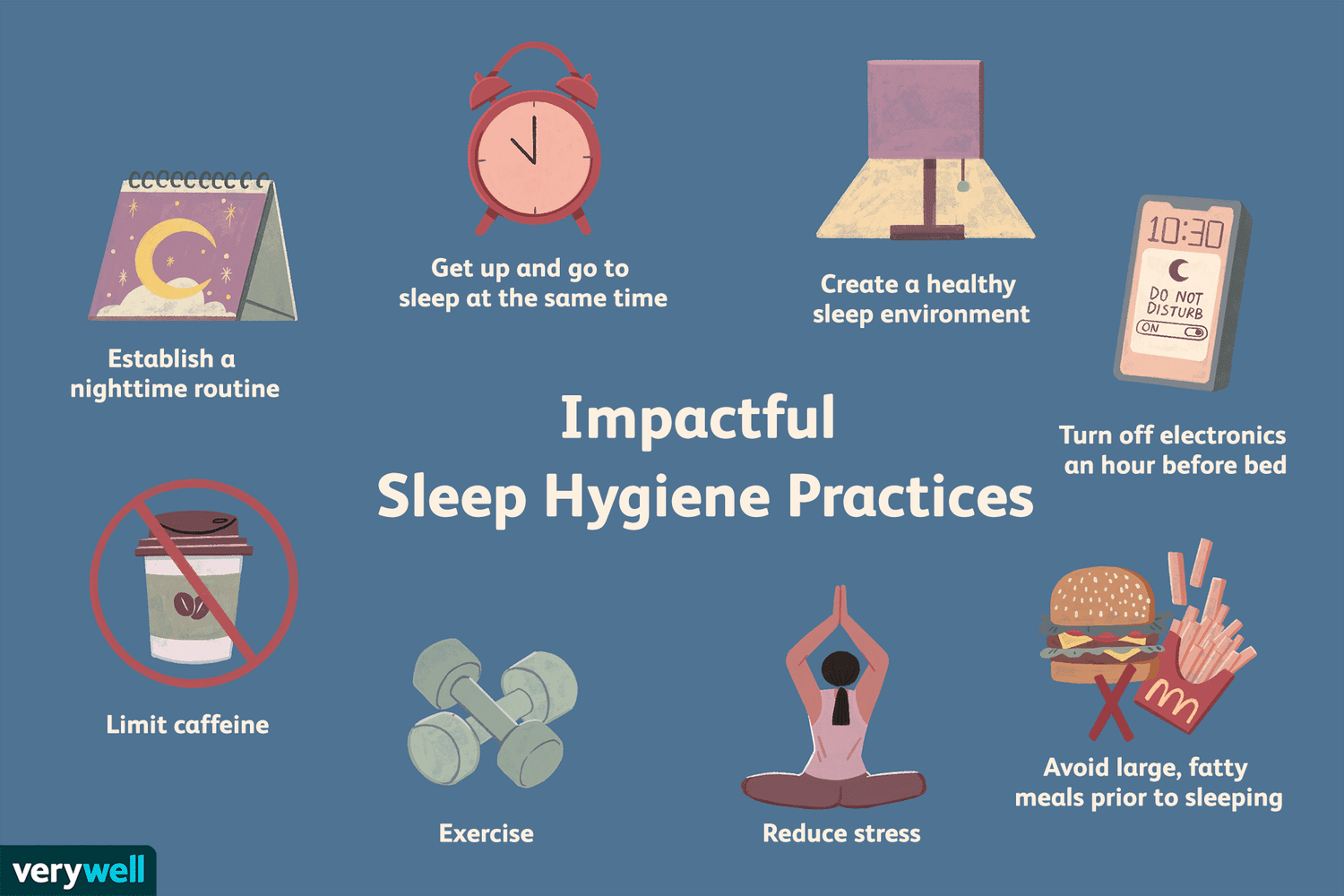
- Set a consistent bedtime and wake time even on weekends
- Develop a calming pre-sleep routine like reading, meditation, or gentle stretching
- Limit screen time an hour before bed to reduce blue light exposure
- Optimize your bedroom environment by keeping it dark, cool, and quiet
- Monitor eating and drinking habits—avoid caffeine and heavy meals close to bedtime
Over time, these steps will train your body to recognize signals for rest, making it easier to fall asleep naturally and enjoy deeper sleep.
Evening Habits That Improve Sleep

Evening routines help your mind and body transition from the busyness of the day to restful sleep. Some effective habits include:
- Reading a calming book or listening to soft music
- Practicing meditation, breathing exercises, or gentle yoga
- Avoiding caffeine, alcohol, or heavy meals
- Reducing screen exposure to improve melatonin production
These habits not only improve sleep quality but also support mental health by reducing stress and anxiety.
Morning Habits That Support Better Sleep
What you do during the day affects your sleep at night. Morning habits that support healthy sleep include:
- Exposure to natural sunlight soon after waking to regulate circadian rhythm
- Morning movement or exercise to boost energy levels and promote better rest at night
- Consistent wake time to reinforce your body’s internal clock
- Avoiding oversleeping, which can disrupt nighttime sleep
Pairing strong morning routines with evening habits creates a 24-hour cycle that enhances overall wellbeing.
How Long It Takes to See Results
Improving sleep through consistent routines requires patience. Most adults notice:
- 1–2 weeks: Better energy and alertness
- 3–4 weeks: Reduced irritability and improved mood
- Several months: Stronger focus, emotional balance, and overall health
Tracking your sleep patterns and making small adjustments helps ensure long-term success.
Expert Tips for Maintaining Sleep Routines
Sleep specialists recommend:
- Treat sleep as a priority like diet or exercise
- Avoid “catch-up sleep” on weekends; consistency matters more than hours
- Adjust routines gradually when travel or work shifts disrupt schedules
- Seek professional help if insomnia, anxiety, or other sleep problems persist
Following expert-backed advice increases the likelihood of maintaining a routine that improves both sleep quality and mental health.
Frequently Asked Questions
How many hours of sleep do adults need?
Most adults need 7–9 hours of sleep each night for optimal health.
Are naps helpful or harmful?
Short naps (20–30 minutes) can boost alertness, but long or late naps may interfere with nighttime sleep.
Can late exercise affect sleep?
Intense exercise right before bed may make it harder to fall asleep. Aim for morning or early evening workouts.
Conclusion
Establishing consistent sleep routines for adults is essential for mental health, emotional stability, and overall wellbeing. Small, practical changes in bedtime, evening habits, and morning routines can dramatically improve sleep quality and daily energy levels. By prioritizing sleep and following these expert-backed strategies, adults can enjoy better rest, improved mood, and enhanced focus—because sleep is not a luxury, it is a foundation for a healthy life.