
Introduction
Insomnia is more common than many people realize. Tossing and turning at night, waking up too early, or struggling to fall asleep can leave you exhausted, irritable, and frustrated. If you’re tired of relying on pills, there is hope. Natural remedies for insomnia can improve your sleep health without harmful side effects. Backed by research and real-life experience, these solutions help your body and mind relax, allowing you to get the restorative sleep you deserve.
What Is Insomnia and Why It Happens
Insomnia is a sleep disorder that makes it difficult to fall asleep, stay asleep, or get quality rest. It can be short term—caused by stress, travel, or illness—or chronic, lasting for months or even years.
Common Causes of Insomnia
- Stress and anxiety: Racing thoughts make it hard to relax
- Lifestyle factors: Irregular sleep schedule, too much screen time, or caffeine late in the day
- Medical conditions: Pain, hormonal imbalances, or depression
- Environmental factors: Noise, light, or an uncomfortable bed
Understanding why you can’t sleep is the first step to finding a solution that actually works.
Why Choose Natural Remedies for Insomnia

Sleeping pills might seem convenient, but they often come with side effects like grogginess, dependency, and long-term risks. Natural remedies for insomnia offer safer, sustainable alternatives that address the root causes of sleep problems rather than just masking symptoms.
Natural solutions work gently with your body’s biology, improve your sleep quality, and often enhance overall wellbeing.
Proven Natural Remedies for Insomnia
Herbal Remedies That Promote Sleep
Herbal sleep remedies have been used for centuries to calm the mind and relax the body.
- Chamomile: A gentle herb that reduces anxiety and promotes relaxation
- Valerian root: Helps improve sleep onset and overall sleep quality
- Ashwagandha: An adaptogen that reduces stress and balances cortisol
- Lavender: Aromatherapy with lavender essential oil can improve sleep duration and depth
Always check for allergies or potential interactions with medications.
Foods and Drinks That Improve Sleep Quality
Certain foods naturally encourage sleep by providing key nutrients or calming effects.
- Magnesium-rich foods: Almonds, spinach, and pumpkin seeds
- Tryptophan-rich foods: Turkey, oats, and bananas
- Herbal teas: Chamomile, lemon balm, or peppermint before bedtime
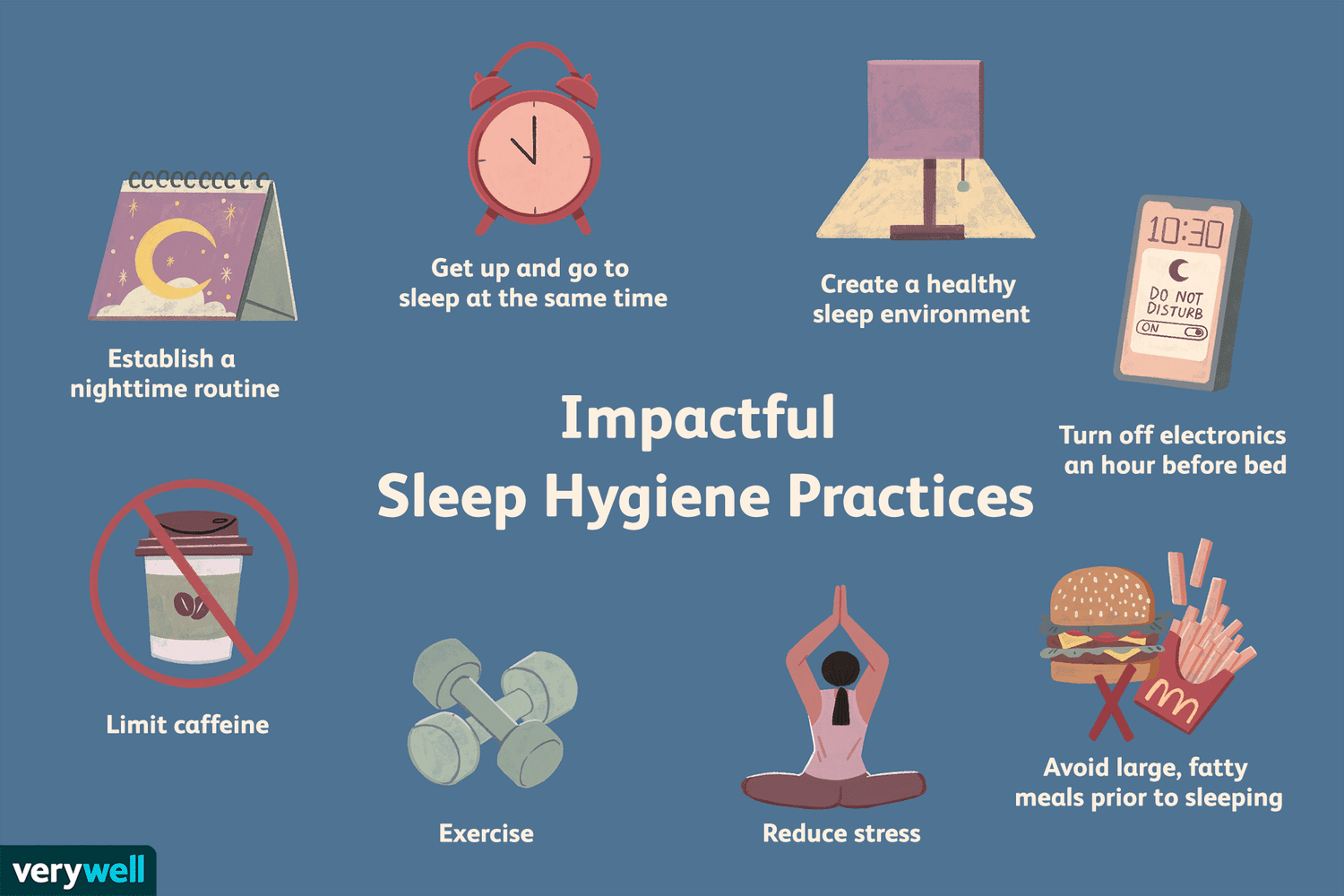
Eating the right foods and avoiding heavy meals or caffeine in the evening can make a huge difference.
Lifestyle Changes That Naturally Improve Sleep
- Consistent sleep schedule: Go to bed and wake up at the same time every day
- Reduce screen exposure: Limit phone, tablet, and TV use an hour before sleep
- Create a calm sleep environment: Dark, quiet, and cool rooms promote relaxation
These simple habits are often overlooked but are essential for long-term results.
Mind Body Techniques for Better Sleep
Relaxation techniques calm the nervous system and prepare your body for rest.
- Deep breathing exercises: Slow, rhythmic breathing reduces stress
- Progressive muscle relaxation: Tense and relax muscles to release tension
- Guided meditation or light yoga: Helps quiet the mind and prepare for deep sleep
Mind-body practices not only improve sleep but also boost overall mental health.
Natural Remedies for Different Types of Insomnia
Stress-Related Insomnia
Adaptogens like ashwagandha, meditation, and deep breathing exercises work best.
Adult Insomnia
For adults dealing with work stress or hormonal changes, maintaining a sleep routine and incorporating relaxation techniques is key.
Chronic Insomnia
Natural remedies can help, but if sleep problems persist for months, consult a healthcare professional. Combining natural strategies with professional guidance ensures safe, effective results.
What to Avoid If You Have Insomnia

- Caffeine late in the day
- Alcohol before bedtime
- Heavy meals at night
- Excessive naps during the day
Avoiding these sleep disruptors enhances the effectiveness of natural remedies.
How Long Do Natural Remedies for Insomnia Take to Work?
Natural solutions require consistency and patience. Herbal remedies or lifestyle changes may show results in a few days to a few weeks. Gradually, your body will learn to fall asleep naturally, improving both sleep quality and duration over time.
Are Natural Remedies for Insomnia Safe?
Most natural remedies are safe for adults, but there are exceptions.
- Check for allergies or drug interactions
- Pregnant or breastfeeding women should consult a doctor before using herbs or supplements
- Individuals with chronic health conditions should seek medical advice first
Using natural remedies responsibly ensures better results and reduces risks.
Frequently Asked Questions
Do natural remedies really cure insomnia?
Natural remedies help manage insomnia by addressing underlying causes, improving relaxation, and supporting healthy sleep habits.
What is the best natural remedy for insomnia?
There is no one-size-fits-all solution. Chamomile tea, magnesium-rich foods, meditation, and a consistent sleep routine are among the most effective.
Can insomnia go away naturally?
Yes, with lifestyle changes, relaxation techniques, and natural sleep aids, many people overcome insomnia without medication.
Final Thoughts on Natural Remedies for Insomnia
Insomnia can feel overwhelming, but natural remedies offer safe, effective ways to restore restful sleep. Combining herbal remedies, mindful eating, lifestyle changes, and relaxation techniques creates a holistic approach that works over time. Be patient, stay consistent, and prioritize your sleep your body and mind will thank you.