
Falling asleep should be easy, yet for many people it becomes the most frustrating part of the day. You lie in bed feeling tired, but your mind keeps racing, your body refuses to relax, and minutes turn into hours. If this sounds familiar, you are not alone. Learning how to fall asleep faster is one of the most searched sleep health concerns today, and the good news is that small, consistent changes can make a big difference.
This guide shares practical, science backed, and experience driven strategies to help you fall asleep faster and improve your sleep quality naturally.
Why Falling Asleep Feels So Difficult for Many People
Difficulty falling asleep is rarely caused by just one thing. It is usually a combination of mental, physical, and lifestyle factors working together.
Stress and anxiety are major contributors. When your brain stays in problem solving mode, it sends signals that keep your body alert. Excessive screen time before bed also plays a role, as blue light interferes with melatonin production, the hormone responsible for sleep.
Irregular sleep schedules confuse your internal clock, while caffeine, nicotine, and late night meals can overstimulate your nervous system. Even your sleep environment, such as noise, light, or room temperature, can prevent you from drifting off quickly.
Understanding these causes is the first step toward fixing the problem.
How Much Sleep Do You Actually Need
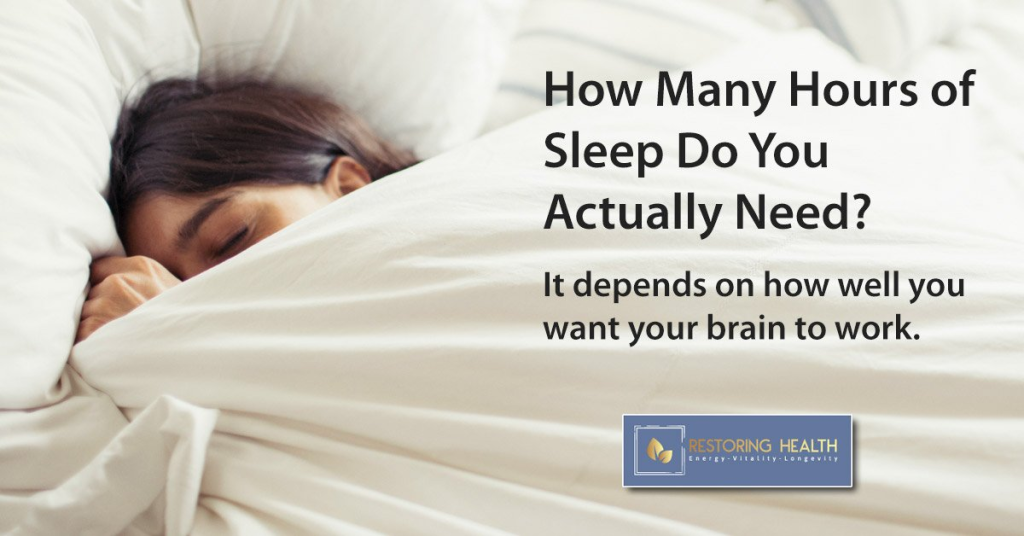
Most adults need between seven and nine hours of sleep each night, but quality matters just as much as quantity. You may spend eight hours in bed and still wake up feeling exhausted if your sleep is fragmented.
Signs you are not getting enough rest include difficulty concentrating, mood changes, daytime sleepiness, and low energy levels. Falling asleep faster helps improve sleep efficiency, meaning more of your time in bed is spent actually sleeping.
How to Fall Asleep Faster Using Simple Nighttime Habits
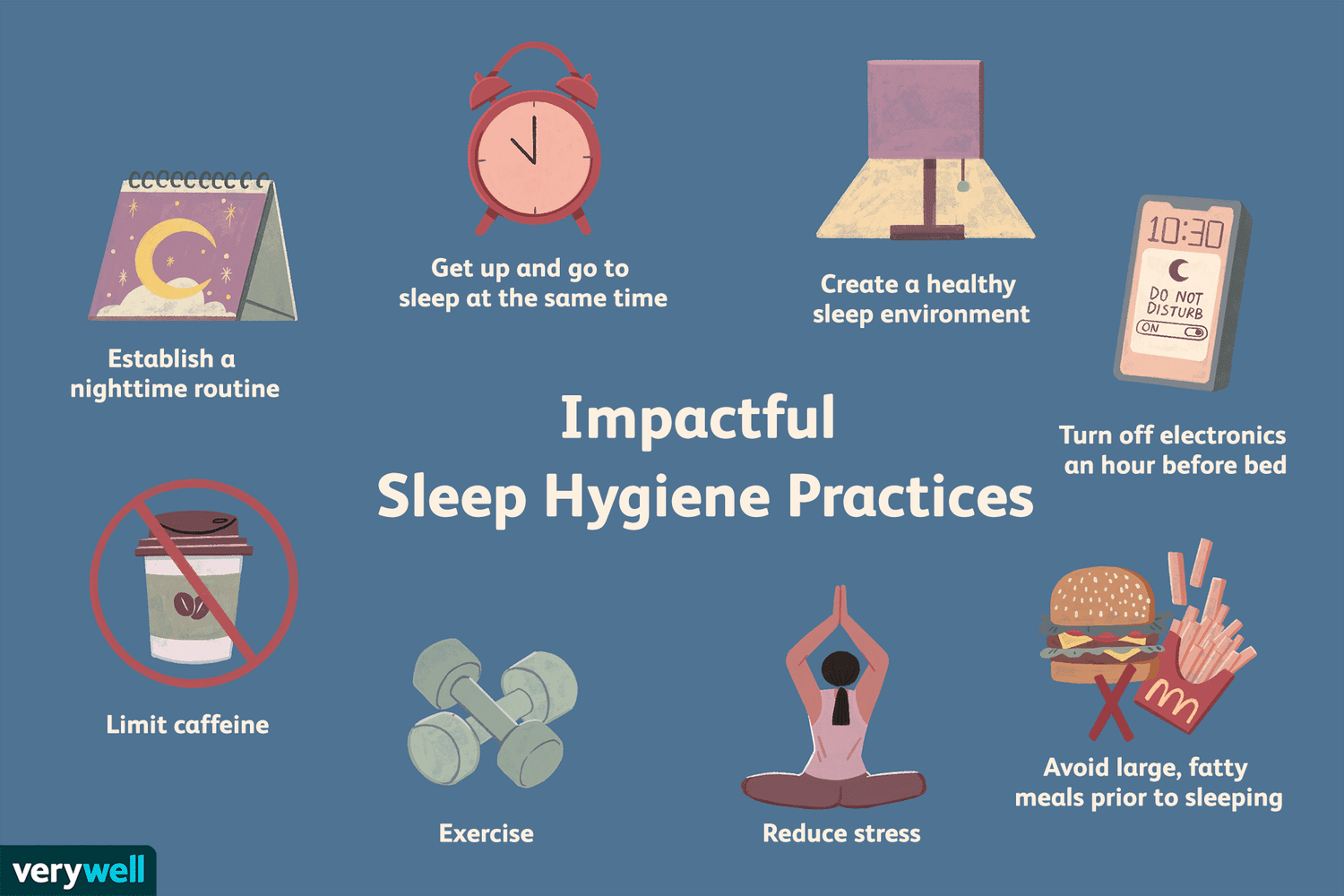
Healthy sleep habits create the foundation for better rest. These routines train your body and brain to recognize when it is time to sleep.
Going to bed and waking up at the same time every day helps regulate your internal clock. Even on weekends, consistency matters more than sleeping in.
Creating a calming pre bed routine signals your body to slow down. This may include reading, stretching, or taking a warm shower. Avoid screens at least one hour before bed, as phones and televisions stimulate your brain and delay sleep onset.
Limiting caffeine in the afternoon and avoiding heavy meals close to bedtime can also help you fall asleep faster.
Breathing and Relaxation Techniques That Help You Fall Asleep Faster
When your body is tense, sleep becomes difficult. Relaxation techniques calm the nervous system and prepare you for rest.
Deep breathing is one of the simplest methods. Slowly inhale through your nose, hold briefly, and exhale through your mouth. This lowers your heart rate and reduces stress.
Progressive muscle relaxation involves tightening and releasing each muscle group from head to toe. Visualization techniques, such as imagining a peaceful place, can distract your mind from racing thoughts.
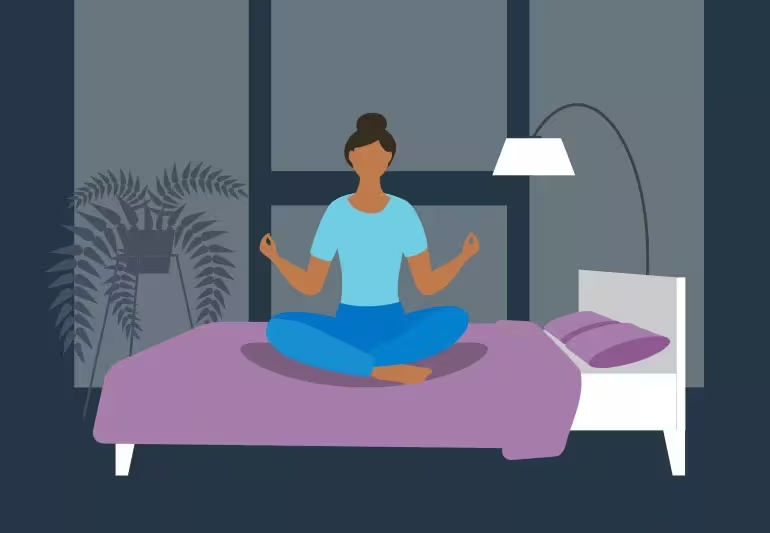
Practicing mindfulness before sleep helps you stay present instead of worrying about tomorrow.
Best Sleeping Environment for Falling Asleep Quickly
Your bedroom should support sleep, not fight against it. A cool, dark, and quiet environment promotes faster sleep onset.
The ideal room temperature is slightly cool, as your body naturally lowers its temperature during sleep. Blackout curtains or eye masks can block unwanted light, while white noise machines or fans help reduce disruptive sounds.
Choosing a comfortable mattress and pillow that support your body is essential. Small adjustments to your environment often lead to noticeable improvements in sleep quality.
What to Do If Your Mind Will Not Stop Racing at Night
Overthinking at night is a common reason people struggle to fall asleep. When thoughts keep looping, your brain remains active instead of relaxing.
One effective method is writing down your worries before bed. This clears your mind and reassures your brain that problems will be addressed later.
Avoid stimulating content such as intense news or social media scrolling. Instead, practice gratitude journaling or listen to calming music or nature sounds. These habits gently shift your focus and help quiet your thoughts.
Foods and Drinks That Help You Fall Asleep Faster
What you eat and drink affects your sleep more than you might expect. Certain foods support the production of sleep promoting hormones.
Foods rich in magnesium and tryptophan, such as nuts, seeds, bananas, and yogurt, can help relax your body. Herbal teas like chamomile or valerian root are known for their calming effects.
Avoid sugary snacks, alcohol, and caffeine close to bedtime, as they disrupt sleep cycles and make falling asleep harder.
How Long Does It Take to Fall Asleep Normally
On average, it takes about ten to twenty minutes to fall asleep. If it regularly takes longer than thirty minutes, it may indicate a sleep issue.
Occasional difficulty falling asleep is normal, especially during stressful periods. However, chronic sleep problems should not be ignored, as they can impact physical and mental health over time.
When You Should Seek Professional Help for Sleep Problems
If lifestyle changes do not improve your sleep after several weeks, it may be time to seek professional guidance. Persistent difficulty falling asleep, frequent nighttime awakenings, or extreme daytime fatigue could signal insomnia or another sleep disorder.
A healthcare professional can identify underlying causes and recommend appropriate treatment. Seeking help is not a weakness, but a step toward better health.
Frequently Asked Questions About How to Fall Asleep Faster
How can I fall asleep in 5 minutes
Using deep breathing, muscle relaxation, and reducing mental stimulation can help some people fall asleep faster, but consistency matters more than speed.
Why do I feel sleepy but cannot fall asleep
This often happens due to stress, anxiety, or overstimulation from screens or caffeine.
Does napping during the day affect nighttime sleep
Long or late naps can interfere with nighttime sleep. Short naps earlier in the day are usually better.
Can exercise help me fall asleep faster
Yes, regular physical activity improves sleep quality, but intense workouts should be avoided close to bedtime.
Conclusion
Learning how to fall asleep faster is not about forcing sleep, but about creating the right conditions for it to happen naturally. By improving your habits, calming your mind, adjusting your environment, and staying consistent, better sleep becomes achievable.
Quality sleep supports your energy, mood, and overall well being. Start with small changes, be patient with yourself, and remember that restful nights are built one healthy habit at a time.