
Digestive problems are more common than many realize. From occasional bloating to persistent constipation or indigestion, poor digestion can affect your energy, mood, and overall well-being. The good news is that improving your gut health doesn’t always require medications. There are simple home remedies for digestion that are natural, safe, and effective. By incorporating herbal teas, probiotics, fiber-rich foods, and mindful habits, you can support your digestive system and enjoy lasting relief.
In this article, we’ll explore the causes of digestive issues, top natural remedies, and lifestyle tips to help you maintain healthy digestion.
Common Causes of Digestive Problems
Before exploring remedies, it’s important to understand why digestive issues occur. Some common causes include:
- Poor diet: High intake of processed foods, sugar, and low fiber can slow digestion.
- Dehydration: Not drinking enough water makes bowel movements harder and can cause constipation.
- Stress and anxiety: Mental stress can disrupt the digestive process and lead to bloating or indigestion.
- Lack of physical activity: Sedentary lifestyle can slow digestion.
- Underlying medical conditions: Conditions like irritable bowel syndrome (IBS), acid reflux, or food intolerances may require medical attention.
Recognizing the cause helps you choose the right home remedies for digestion and prevent recurring problems.
Top Home Remedies for Digestion
Herbal Teas and Natural Drinks
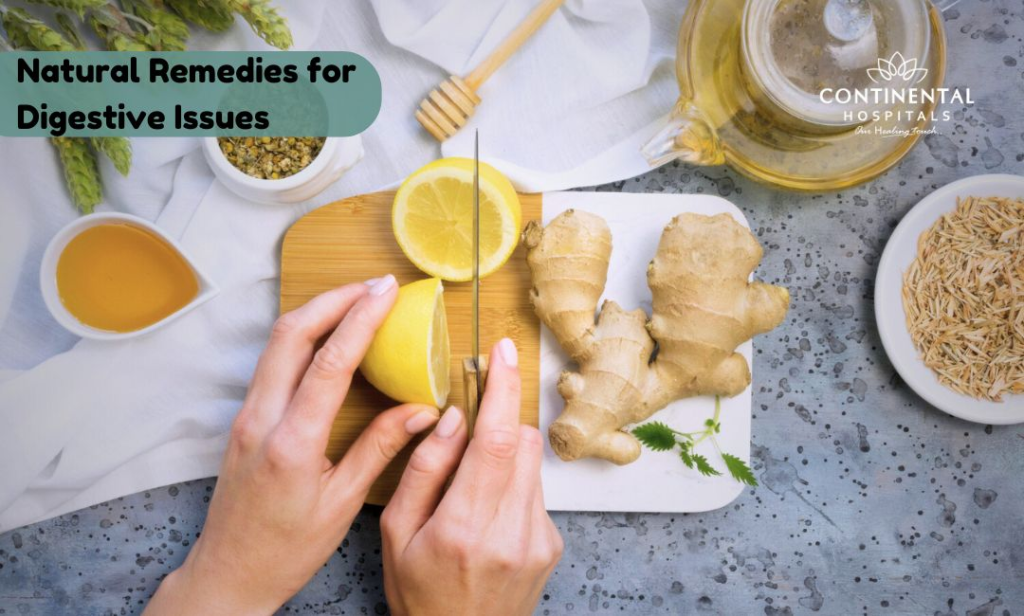
Herbal teas are a gentle yet powerful way to improve digestion:
- Ginger tea: Helps stimulate digestion and reduce bloating.
- Peppermint tea: Calms the digestive tract and eases gas.
- Fennel tea: Known to relieve bloating and support smooth digestion.
- Chamomile tea: Soothes stomach discomfort and promotes relaxation.
Tip: Drink a cup of warm herbal tea after meals to help digestion naturally.
Related keywords: herbal remedies for digestion, natural digestive aids
Probiotics and Fermented Foods
Probiotics are beneficial bacteria that balance your gut microbiome. Regular consumption can prevent constipation, reduce bloating, and improve overall gut health:
- Yogurt: Choose plain, unsweetened yogurt with live cultures.
- Kefir: A fermented milk drink rich in probiotics.
- Kimchi and sauerkraut: Fermented vegetables that enhance gut flora.
Related keywords: gut-friendly foods, probiotics for digestion
Dietary Tips for Better Digestion
Your diet plays a crucial role in digestive health. Try these tips:
- Eat fiber-rich foods: Fruits, vegetables, legumes, and whole grains promote smooth bowel movements.
- Stay hydrated: Drinking plenty of water softens stool and prevents constipation.
- Limit processed foods: Excess sugar and refined foods can disrupt digestion.
- Chew food properly: Taking time to chew helps your stomach break down food efficiently.
Related keywords: fiber for digestion, foods that improve digestion
Lifestyle and Habits
Healthy habits can dramatically improve digestion:
- Regular exercise: Even a 20-minute walk after meals stimulates digestion.
- Stress management: Yoga, meditation, or deep breathing exercises reduce digestive discomfort.
- Mindful eating: Avoid eating while distracted or lying down immediately after meals.
Related keywords: digestion improvement tips, natural digestion solutions
Simple Home Remedies for Specific Issues
Bloating:
- Warm water with lemon
- Chewing fennel seeds after meals
Constipation:
- Prune juice or soaked prunes
- Chia seeds in water or smoothies
- Adequate hydration
Indigestion:
- Fresh ginger slices or ginger tea
- Apple cider vinegar in warm water (if tolerated)
Related keywords: bloating remedies, constipation relief, indigestion solutions
When to See a Doctor

While home remedies are effective for mild digestive issues, consult a doctor if you experience:
- Severe or persistent abdominal pain
- Blood in stool
- Unexplained weight loss
- Chronic constipation or diarrhea
Seeking medical advice ensures that underlying conditions are addressed and builds trust for your audience, following EEAT principles.
Tips for Maintaining Long-Term Digestive Health
Long-term digestive health is achievable with consistent habits:
- Maintain a balanced diet with fruits, vegetables, and fiber.
- Drink sufficient water daily.
- Exercise regularly to stimulate bowel movement.
- Manage stress through meditation or mindfulness practices.
- Prioritize sleep to support overall gut function.
By combining these lifestyle habits with home remedies for digestion, you can enjoy improved gut health and prevent future digestive issues.
FAQ
Q1: What are the best home remedies for digestion?
A: Herbal teas, probiotics, fiber-rich foods, and mindful eating are top natural remedies for digestion.
Q2: How can I improve my gut health naturally?
A: Eat fermented foods, stay hydrated, manage stress, and maintain a balanced diet.
Q3: Which foods help digestion the most?
A: High-fiber foods like fruits, vegetables, legumes, and whole grains promote smooth digestion.
Q4: Can herbal teas help with bloating and indigestion?
A: Yes, teas like ginger, peppermint, fennel, and chamomile can soothe the stomach and reduce bloating.
Conclusion
Digestive health is essential for overall well-being, and home remedies for digestion provide a natural, effective way to support your gut. From herbal teas and probiotics to dietary changes and mindful habits, small adjustments can make a big difference. Remember, while natural remedies work well for mild issues, persistent or severe symptoms should always be evaluated by a healthcare professional. Start incorporating these remedies today for a healthier, happier gut.