
Introduction
Reducing sugar in your diet is one of the simplest and most effective ways to improve your overall healthy Eating. Excess sugar can lead to weight gain, fatigue, mood swings, and even chronic diseases like diabetes and heart disease. Learning how to reduce sugar in your diet doesn’t mean giving up all sweet treats; it’s about making smarter choices and understanding hidden sugars in everyday foods.
For beginners, cutting sugar might feel challenging, especially with so many processed foods and sugary beverages around. However, with the right strategies and consistent habits, it’s entirely achievable. By gradually reducing sugar, you can improve energy levels, stabilize mood, and enhance long-term wellbeing.
This article will guide you through what sugar reduction really means, why it’s important, step-by-step methods to lower sugar intake, the benefits, potential risks, common mistakes, expert tips, and answers to frequently asked questions. By the end, you will have a clear roadmap on how to reduce sugar in your diet and create a healthier lifestyle without feeling deprived.
What is How to Reduce Sugar in Your Diet?
Learning how to reduce sugar in your diet involves identifying sources of sugar in your meals and finding ways to cut them down. Sugar is not just in desserts or candy; it hides in soft drinks, sauces, bread, cereals, and even some savory foods. Reducing sugar doesn’t mean eliminating all carbohydrates, but focusing on limiting added sugars that contribute to health problems.
There are different types of sugar, including natural sugars found in fruits and dairy, and added sugars that are included during processing or preparation. Understanding the difference is crucial. The goal of reducing sugar is to minimize added sugars while still enjoying natural sources in moderation.
Why is How to Reduce Sugar in Your Diet Important?
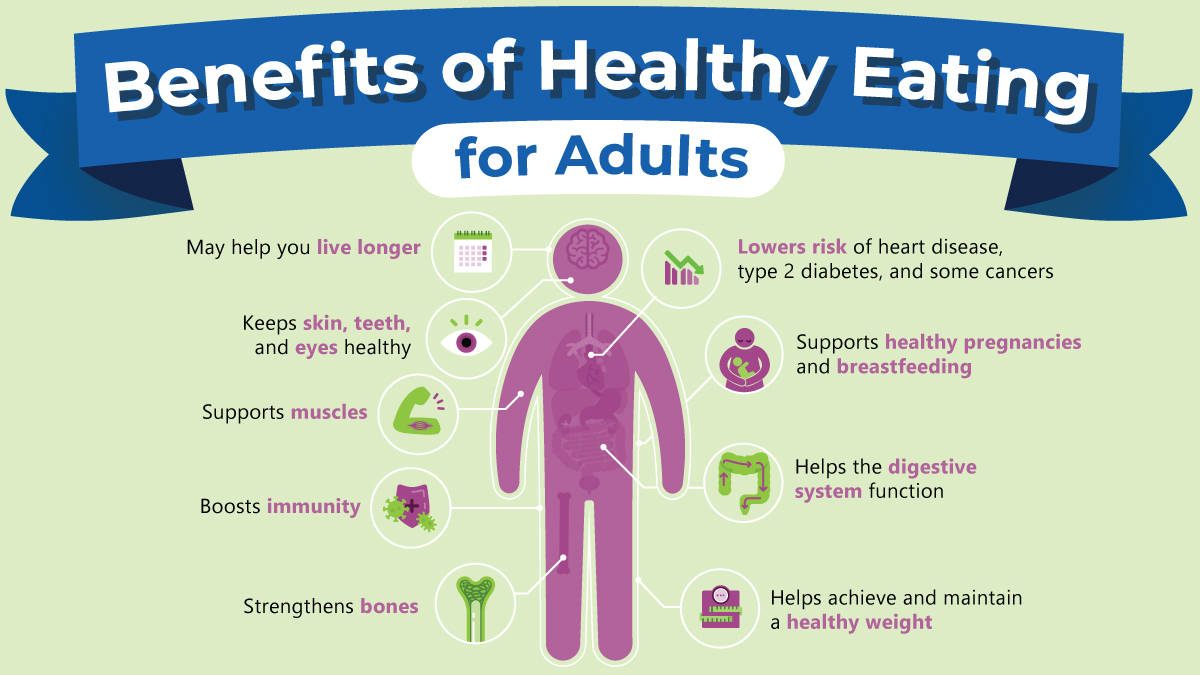
High sugar consumption is linked to a variety of health issues. Excess sugar can lead to rapid spikes in blood sugar, weight gain, and increased risk of insulin resistance. Over time, this can contribute to type 2 diabetes, heart disease, and other metabolic disorders.
Sugar also affects mental health. Studies show high sugar intake can contribute to mood swings, anxiety, and decreased cognitive performance. Reducing sugar helps stabilize energy levels, improve focus, and enhance overall wellbeing.
Furthermore, a low-sugar diet supports better dental health, lowers inflammation, and helps maintain a healthy weight. Learning how to reduce sugar in your diet is therefore not just about physical appearance but about improving long-term health and quality of life.
Detailed Step-by-Step Guide
Step 1: Identify Hidden Sugars
Read food labels carefully. Look for ingredients like high fructose corn syrup, cane sugar, sucrose, dextrose, maltose, and syrups. Even foods like pasta sauce, granola bars, and flavored yogurts can contain significant added sugar.
Step 2: Reduce Sugary Drinks
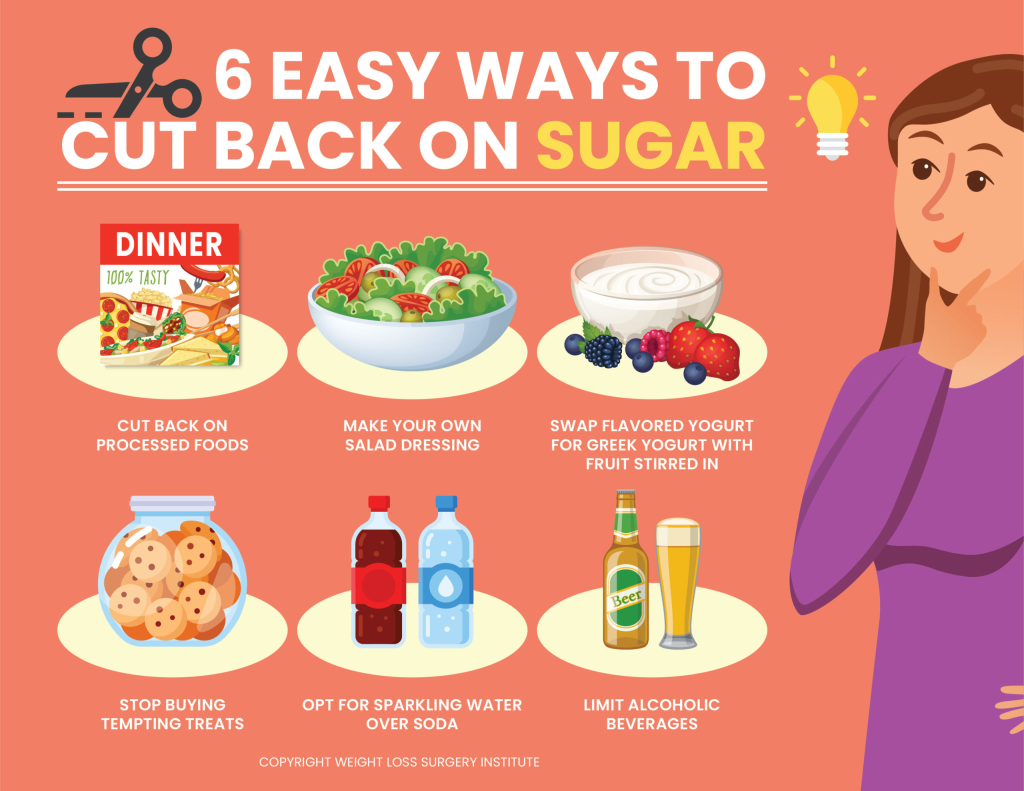
Sugary drinks are one of the largest sources of added sugar. Replace sodas, energy drinks, and sweetened coffees with water, herbal tea, or sparkling water with lemon. Gradually reducing sugar in beverages can make the transition easier.
Step 3: Limit Processed Foods
Processed snacks, baked goods, and packaged meals often contain hidden sugar. Choose whole foods like fruits, vegetables, lean proteins, and whole grains. Preparing meals at home allows you to control sugar content.
Step 4: Replace Sugar in Recipes
Use natural sweeteners like mashed banana, applesauce, or dates instead of sugar in baking. You can also reduce the amount of sugar in recipes gradually until your taste buds adjust.
Step 5: Focus on Protein and Fiber
Including protein and fiber-rich foods in meals helps stabilize blood sugar and reduces cravings for sweet foods. Examples include eggs, beans, nuts, and whole grains.
Step 6: Manage Cravings
When sugar cravings strike, opt for healthier alternatives such as fruit, yogurt, or dark chocolate with at least 70% cocoa. Drinking water and staying hydrated can also reduce cravings.
Step 7: Plan Your Meals
Planning meals and snacks in advance prevents reaching for sugary foods out of convenience. Keep healthy snacks handy and maintain consistent meal timing.
Benefits of How to Reduce Sugar in Your Diet
- Weight management: Lower sugar intake reduces empty calories and supports fat loss.
- Better energy levels: Avoids blood sugar spikes and crashes, keeping energy stable.
- Improved mental clarity: Reduces mood swings and improves focus.
- Lower risk of chronic diseases: Supports heart health and reduces diabetes risk.
- Better dental health: Less sugar lowers the risk of cavities and tooth decay.
- Reduced inflammation: Can decrease joint pain and improve overall health.
- Improved digestion: High-fiber, low-sugar diets support gut health.
Disadvantages / Risks
- Initial cravings: Cutting sugar may cause temporary headaches or fatigue.
- Social challenges: Difficulties at social events with sugary foods.
- Over-reliance on substitutes: Some sugar substitutes can cause digestive issues if overused.
- Potential nutrient gaps: Eliminating sugary foods without planning may reduce intake of fortified foods.
Common Mistakes to Avoid
- Going cold turkey: Sudden elimination can cause intense cravings and make adherence harder.
- Ignoring hidden sugars: Not reading labels keeps you consuming unexpected sugar.
- Replacing sugar with unhealthy substitutes: Artificial sweeteners in excess may cause health issues.
- Skipping meals: Can increase sugar cravings later in the day.
- Expecting instant results: Benefits appear gradually; patience is key.
FAQs
1. How much sugar should I consume daily?
The American Heart Association recommends no more than 25 grams (6 teaspoons) for women and 36 grams (9 teaspoons) for men per day.
2. Can natural sugars in fruits be harmful?
Natural sugars in whole fruits are generally safe due to fiber, vitamins, and antioxidants. They are much healthier than added sugars.
3. Is honey better than sugar?
Honey has a lower glycemic index than sugar and contains trace nutrients, but it’s still sugar. Use it sparingly.
4. How long does it take to notice health benefits after reducing sugar?
Many people notice improvements in energy, mood, and cravings within 1–2 weeks, while long-term benefits like weight loss and better blood sugar control develop over months.
5. Can reducing sugar help with weight loss?
Yes, lowering sugar reduces empty calories, stabilizes blood sugar, and helps manage appetite, supporting weight loss.
6. Are sugar substitutes safe?
Moderate use of natural substitutes like stevia or monk fruit is generally safe, but excessive use of artificial sweeteners may cause digestive issues.
7. How can I handle sugar cravings?
Stay hydrated, eat protein and fiber-rich meals, and replace sweets with fruit, nuts, or dark chocolate. Gradually reducing sugar helps retrain your taste buds.
8. Can children follow a low-sugar diet?
Yes, children can benefit from reduced sugar intake, but it’s important to maintain balanced meals and occasional treats to avoid feeling deprived.
Expert Tips & Bonus Points
- Keep healthy snacks like fruits, nuts, or yogurt easily accessible.
- Gradually reduce sugar to prevent withdrawal symptoms.
- Prepare homemade sauces and dressings to control sugar content.
- Include protein and fiber in every meal to reduce sugar cravings.
- Track sugar intake using apps or a food journal for better awareness.
- Reward yourself with non-food treats to reinforce positive habits.
Conclusion
Learning how to reduce sugar in your diet is a valuable step toward improving overall health, energy, and wellbeing. By gradually cutting back on sugary drinks, processed foods, and hidden sugars, you can stabilize blood sugar, improve mental clarity, and support weight management. Incorporating whole foods, protein, fiber, and healthy alternatives ensures you maintain a balanced and satisfying diet.
While the process may take time, consistent efforts lead to long-term benefits. Avoid common mistakes like going cold turkey or ignoring hidden sugars, and use practical strategies like meal planning and gradual sugar reduction. With patience and persistence, reducing sugar becomes a manageable habit rather than a challenge. Start today, make small changes, and enjoy the lasting health improvements that come from lowering sugar in your diet.