
Introduction
In today’s fast-paced world, mental health has become a priority for many people. One simple yet powerful tool for improving mental wellbeing is journaling. Writing down your thoughts and emotions might seem like a small act, but it can have a profound impact on your mental health. The mental health benefits of journaling extend beyond just expressing feelings; it can help you understand yourself better, reduce stress, and even improve your overall quality of life.
For beginners, the idea of starting a journal might feel overwhelming. You may wonder what to write, how often to write, or whether it will actually help. The truth is that journaling is highly flexible, and there’s no wrong way to do it. By making journaling a regular habit, you can create a safe space for your thoughts, track your personal growth, and gain clarity in challenging situations.
Mental health experts recommend journaling as a complementary activity alongside other self-care practices. Studies have shown that writing regularly can reduce symptoms of anxiety and depression, improve mood, and even enhance cognitive function. Whether you’re dealing with stress at work, navigating personal relationships, or simply looking for a way to organize your thoughts, journaling can be an accessible and effective tool.
This article will explore the mental health benefits of journaling in detail. You’ll learn what journaling is, why it matters, step-by-step guidance for beginners, the specific benefits, possible risks, and expert tips to maximize its effectiveness. By the end, you’ll understand how a simple pen and notebook can transform your mental health.
What is Mental Health Benefits of Journaling?
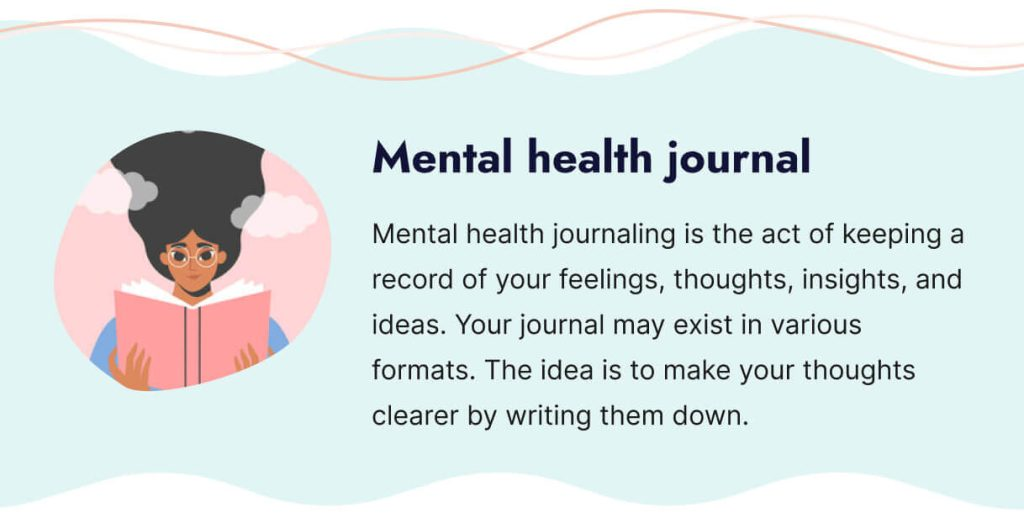
Journaling is the practice of regularly writing down your thoughts, feelings, experiences, and reflections. It can take many forms, including daily diaries, gratitude journals, emotional release writing, bullet journals, or reflective and creative writing.
The focus of journaling is self-expression and self-awareness. Unlike professional therapy, journaling is a personal and private practice. It allows individuals to process emotions, track patterns in thoughts and behavior, and clarify their goals.
Journaling is more than just recording events; it’s about understanding your inner world. By putting thoughts into words, you externalize feelings that might otherwise remain trapped in your mind. Over time, this can lead to increased emotional intelligence and resilience.
Why is Mental Health Benefits of Journaling Important?
Mental health is a critical component of overall wellbeing. Daily stress, unresolved emotions, and negative thought patterns can harm our mental state. Journaling helps by providing a safe outlet for expressing emotions, encouraging reflection and self-awareness, reducing mental clutter and anxiety, and supporting emotional regulation.
For beginners, journaling may seem like a small practice, but its long-term impact is significant. Consistent journaling can help identify triggers for stress, track progress in mental health, and even improve problem-solving skills.
Experts also highlight that journaling can strengthen coping mechanisms. By writing about challenges, fears, or frustrations, you create a structured way to process them. This structured reflection makes it easier to respond calmly rather than react impulsively.
Detailed Step-by-Step Guide to Journaling
Step 1: Choose Your Journaling Style
Decide which type of journaling suits your needs: daily diary, gratitude journal, emotional release writing, or bullet journaling.
Step 2: Select Your Tools
Use a notebook, digital app, or voice-to-text software. Choose a medium you enjoy, as comfort encourages consistency.
Step 3: Set a Routine
Aim for 10–20 minutes daily. Pick a time that fits your schedule, like morning or before bed.
Step 4: Start Writing
Don’t overthink grammar or spelling. Be honest about your thoughts and feelings. Begin with prompts if needed (e.g., “Today I felt…”, “I am grateful for…”, “My biggest challenge today was…”).
Step 5: Reflect Regularly
Review past entries weekly or monthly. Identify patterns in emotions or behavior. Celebrate progress and acknowledge growth.
Benefits of Mental Health Benefits of Journaling
- Stress reduction: Writing releases pent-up emotions and decreases anxiety.
- Emotional clarity: Helps process feelings and understand triggers.
- Self-awareness: Promotes reflection and better decision-making.
- Mood improvement: Focusing on positive events boosts happiness.
- Cognitive benefits: Enhances memory, problem-solving, and creativity.
- Goal tracking: Keeps personal and professional goals in check.
- Better communication: Improves ability to express thoughts and emotions.
- Enhanced mindfulness: Encourages living in the present moment.
Disadvantages / Risks
- Overthinking: Focusing excessively on negative thoughts may increase stress.
- Privacy concerns: Sensitive information can be exposed if not secured.
- Time commitment: Daily journaling may feel burdensome if not integrated naturally.
- Emotional overload: Writing about traumatic experiences without support may intensify distress.
Common Mistakes to Avoid
- Perfectionism: Expecting every entry to be well-written can block creativity.
- Inconsistency: Skipping long periods can reduce benefits.
- Ignoring emotions: Writing only factual events without reflection limits impact.
- Comparing with others: Journaling is personal; avoid comparing styles or progress.
- Focusing only on negativity: Balance negative feelings with positive experiences or gratitude.
FAQs
1. Can journaling really improve mental health?
Yes, journaling helps release stress, clarify thoughts, and improve emotional regulation. Studies show consistent writing can reduce anxiety and depression symptoms.
2. How often should I journal for mental health benefits?
Daily journaling is ideal, but even 3–4 times a week can be effective. Consistency is more important than quantity.
3. What if I don’t know what to write?
Start with prompts, such as feelings, gratitude lists, daily highlights, or challenges faced. Free writing is also effective.
4. Can journaling replace therapy?
No, journaling is a complementary tool, not a replacement for professional mental health treatment. It can support therapy but is not a substitute.
5. Is digital journaling as effective as writing by hand?
Both methods work, but handwriting may deepen reflection due to slower, more mindful writing. Digital journals are convenient for organization.
6. How long does it take to see benefits?
Many notice improvements in mood and clarity within a few weeks of consistent journaling, while long-term benefits like self-awareness develop over months.
7. Can children benefit from journaling?
Yes, journaling can help children process emotions, improve focus, and express feelings in a safe way.
8. Are there specific prompts that help mental health?
Yes, gratitude lists, emotional reflections, goal tracking, and stress venting prompts are particularly effective.
Expert Tips & Bonus Points
- Keep it private: Ensure your journal is secure to write freely.
- Use prompts: Prompts reduce writer’s block and provide direction.
- Incorporate visuals: Drawings, doodles, or charts can enhance self-expression.
- Reflect weekly: Review past entries to observe patterns and celebrate progress.
- Mix styles: Combine gratitude, reflection, and creative writing to maintain interest.
- Set realistic goals: Start small and gradually build a consistent habit.
Conclusion
The mental health benefits of journaling are vast and accessible to anyone willing to commit a few minutes each day. From stress reduction and emotional clarity to self-awareness and improved mood, journaling provides a safe and effective way to support mental wellbeing. It allows you to process emotions, track personal growth, and reflect on life experiences.
Beginners should focus on consistency rather than perfection, choosing a style and routine that fits their lifestyle. Over time, journaling can become a powerful tool to manage stress, increase mindfulness, and enhance overall quality of life. Even small daily entries can accumulate into significant mental health improvements.
By embracing the simple practice of writing, you invest in your emotional and cognitive wellbeing. Whether you are new to journaling or looking to refine your approach, understanding the mental health benefits of journaling can motivate you to make it a meaningful and lasting habit. Start today, grab a notebook, and let your thoughts flow—it’s a small step that can make a big difference.