
Quality sleep is not a luxury. It is a basic need for a healthy body and mind. Yet millions of people struggle every night with poor sleep, restless thoughts, and constant fatigue. If you often wake up tired or feel low on energy during the day, improving your sleep habits can make a powerful difference. This guide shares proven sleep health tips for better rest that are practical, natural, and supported by expert knowledge.
What Is Sleep Health and Why It Matters
Sleep health refers to how well and how consistently you sleep. It includes sleep duration, sleep quality, timing, and how refreshed you feel after waking up. Good sleep health supports brain function, emotional balance, immune strength, and heart health.
According to sleep specialists, poor sleep over time increases the risk of stress, anxiety, weakened immunity, weight gain, and difficulty concentrating. Improving sleep health is one of the most effective ways to improve overall well being without medication.
Common Reasons People Struggle With Sleep

Understanding what disrupts your sleep is the first step toward fixing it.
Irregular Sleep Schedule
Going to bed and waking up at different times confuses your internal body clock and makes falling asleep harder.
Stress and Overthinking
Mental stress is one of the biggest causes of sleep problems. Worrying thoughts can keep the brain active even when the body is tired.
Poor Sleep Environment
Noise, uncomfortable bedding, bright lights, or an overly warm room can interrupt sleep cycles.
Excessive Screen Use
Phones and televisions stimulate the brain and reduce melatonin, the hormone responsible for sleep.
Unhealthy Eating Habits
Heavy meals, caffeine, and sugary foods close to bedtime can disrupt sleep quality.
Sleep Health Tips for Better Rest That Actually Work
Maintain a Consistent Sleep Schedule
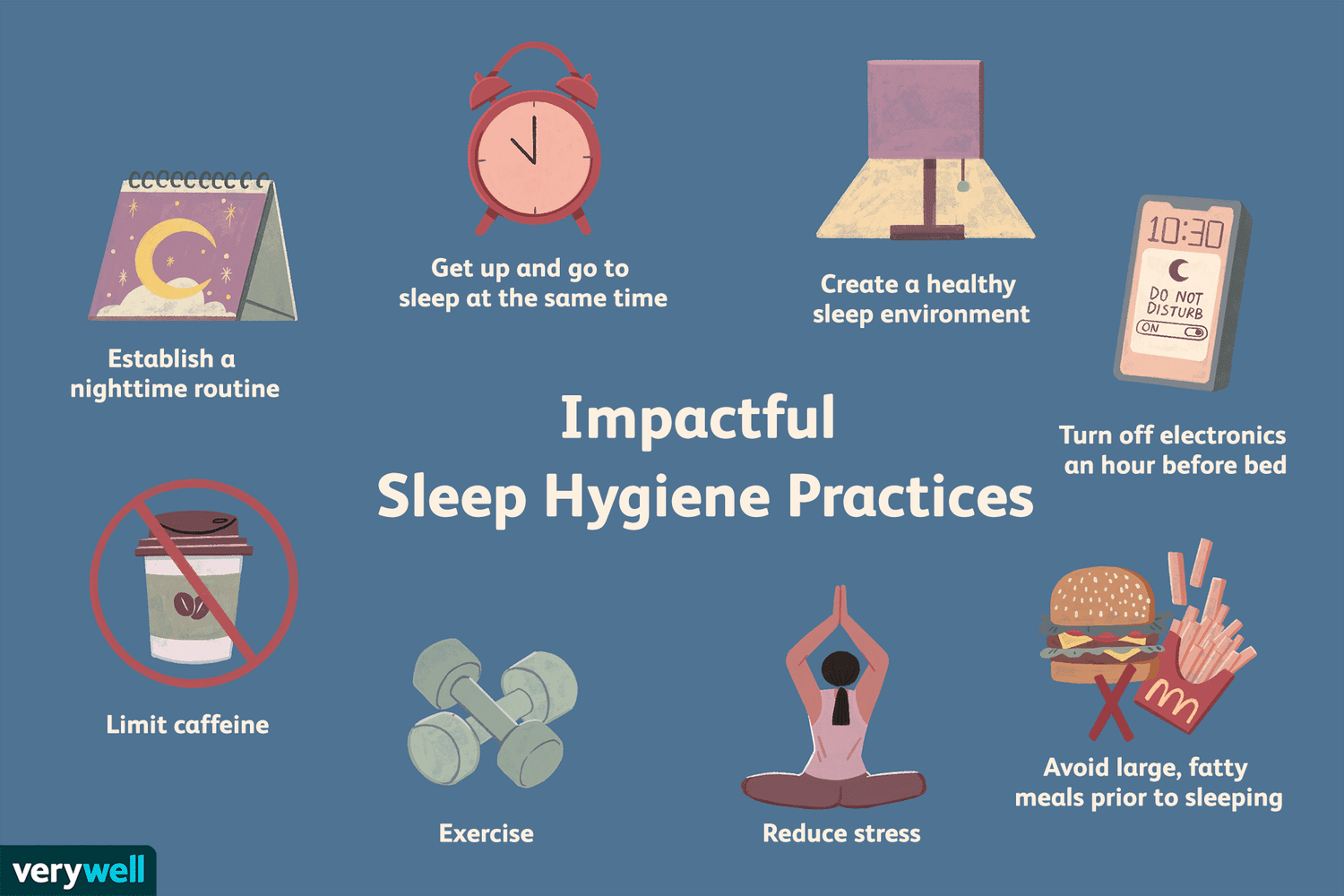
Going to bed and waking up at the same time every day helps regulate your internal clock. This consistency trains your body to feel sleepy at the right time and alert in the morning.
Even on weekends, try to keep your sleep schedule within one hour of your usual routine for better results.
Create a Sleep Friendly Bedroom
Your bedroom should signal rest and relaxation.
- Keep the room cool, quiet, and dark
- Use comfortable pillows and a supportive mattress
- Reduce noise using curtains or white sound if needed
A calm sleep environment improves sleep quality and reduces nighttime awakenings.
Improve Daily Habits for Better Sleep
Physical activity during the day helps you fall asleep faster at night. Light exposure in the morning also supports a healthy sleep cycle.
Avoid intense exercise late in the evening, as it may increase alertness and delay sleep.
Eat the Right Foods for Better Sleep
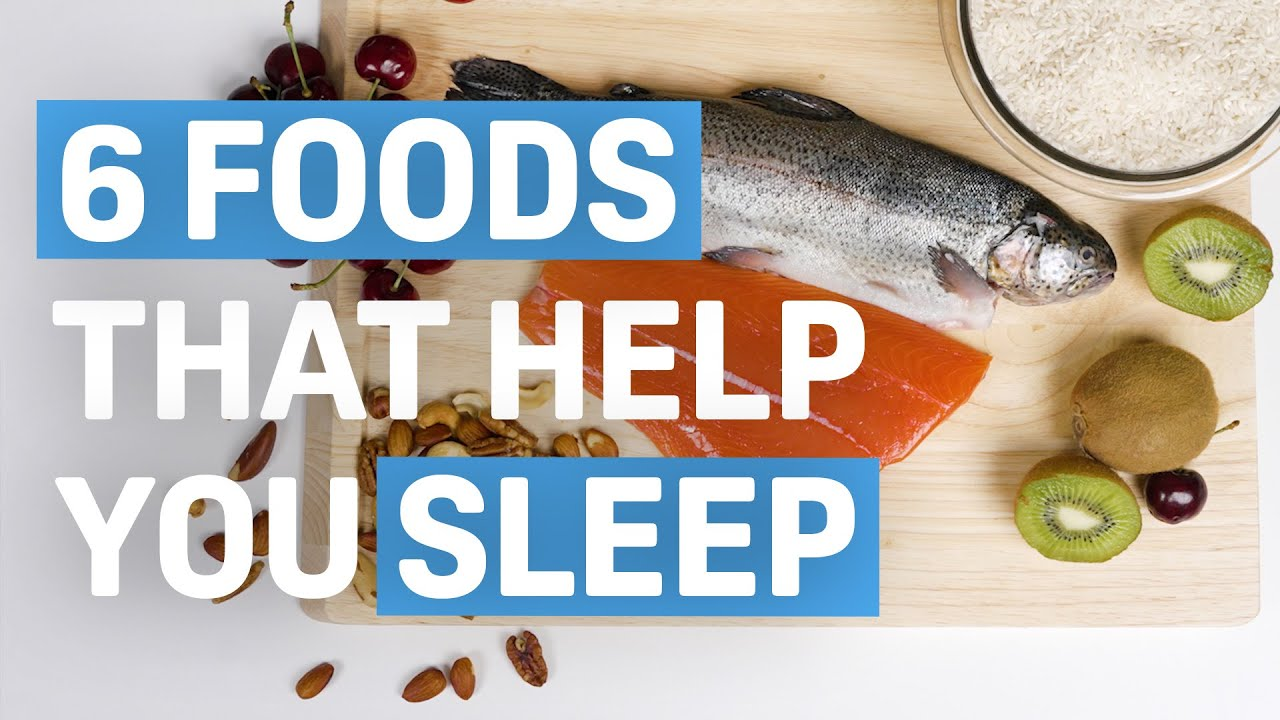
Certain foods support relaxation and sleep.
Foods that may help include:
- Bananas
- Oats
- Yogurt
- Almonds
Try to avoid caffeine, alcohol, and heavy meals at least two to three hours before bedtime. Drinking water is fine but limit excess fluids late at night.
Reduce Screen Time Before Bed
Electronic devices stimulate the brain and interfere with sleep hormones. Reducing screen use at least one hour before bed allows your body to prepare for rest naturally.
Replace screen time with calming activities like reading, gentle stretching, or listening to soft music.
Calm Your Mind Before Sleeping
A relaxed mind is essential for deep rest.
Helpful relaxation methods include:
- Slow breathing exercises
- Meditation
- Writing down worries in a journal
- Listening to calming audio
These practices signal the brain that it is time to unwind and rest.
Expert Insights and Scientific Evidence

Sleep experts agree that lifestyle based sleep improvements are often more effective than short term solutions. Research from recognized health organizations shows that consistent sleep routines, reduced stress, and proper sleep environments significantly improve sleep quality.
Doctors recommend addressing sleep health early, as long term sleep deprivation can impact both physical and mental health. These sleep health tips for better rest are supported by clinical sleep research and real world experience.
Sleep Health Tips for Different Age Groups
Adults
Adults benefit most from consistent routines, stress management, and limiting caffeine intake.
Older Adults
Older individuals may experience lighter sleep. Maintaining daytime activity, exposure to daylight, and a comfortable sleep environment is especially important.
Sleep needs vary, but quality matters more than quantity at every age.
Signs Your Sleep Health Needs Improvement
You may need to improve your sleep habits if you experience:
- Constant tiredness
- Difficulty focusing
- Mood swings or irritability
- Frequent illness
- Trouble falling or staying asleep
These signs indicate that your body is not getting the rest it needs.
Long Term Benefits of Better Sleep Health
Improving sleep health leads to powerful long term benefits such as:
- Improved memory and concentration
- Stronger immune system
- Better emotional balance
- Increased daily energy
- Reduced stress levels
Good sleep supports nearly every system in the body and improves quality of life.
Frequently Asked Questions About Sleep Health
How many hours of sleep are ideal
Most adults need seven to nine hours of sleep per night, though individual needs may vary.
Do naps affect nighttime sleep
Short naps earlier in the day are fine, but long or late naps may disrupt nighttime sleep.
Is poor sleep harmful long term
Yes. Chronic poor sleep is linked to heart disease, weakened immunity, and mental health challenges.
Conclusion
Sleep plays a vital role in physical health, mental clarity, and emotional balance. By following these sleep health tips for better rest, you can improve sleep quality naturally and wake up feeling refreshed and energized. Small consistent changes in habits, environment, and mindset can lead to powerful improvements over time.
Prioritize your sleep, listen to your body, and make rest a daily habit. Better sleep leads to a better life.