
Introduction
Caffeine is one of the most widely consumed stimulants in the world, found in coffee, tea, energy drinks, and even chocolate. Many people rely on it to stay awake and boost productivity, especially during busy days or late-night work sessions. However, caffeine can also interfere with sleep if consumed at the wrong time or in excessive amounts. Understanding how caffeine affects sleep health is essential for maintaining good rest, energy, and overall wellbeing.
Even small amounts of caffeine can delay the onset of sleep, reduce total sleep time, and affect sleep quality. For beginners, it can be surprising to learn that a morning cup of coffee may still influence sleep many hours later, depending on sensitivity and metabolism. Knowing the relationship between caffeine and sleep helps individuals make informed choices, enjoy caffeine responsibly, and avoid sleep-related issues like insomnia or daytime fatigue.
This article explores how caffeine affects sleep health, why it matters, practical guidance for consumption, benefits and risks, common mistakes, expert tips, and answers to frequently asked questions. By the end, readers will understand how to balance caffeine intake while protecting their sleep quality, ensuring better rest and improved daily performance.
What is How Caffeine Affects Sleep Health?
“How caffeine affects sleep health” refers to the ways caffeine intake influences sleep patterns, duration, and quality. Caffeine is a central nervous system stimulant that blocks adenosine, a chemical responsible for promoting sleep and relaxation. By preventing the brain from recognizing tiredness, caffeine increases alertness and reduces the natural urge to sleep.
Sleep health includes both quantity and quality of sleep, encompassing deep restorative sleep and REM (rapid eye movement) sleep cycles. When caffeine interferes, it can result in fragmented sleep, delayed sleep onset, or reduced time spent in deep sleep stages. Even moderate consumption in the late afternoon or evening can disrupt circadian rhythms and make it harder to fall asleep.
Everyone’s sensitivity to caffeine varies, meaning some people can consume coffee late without noticeable effects, while others may struggle with insomnia after a single afternoon cup. Understanding the science behind caffeine and sleep helps individuals plan consumption to support optimal rest.
Why is How Caffeine Affects Sleep Health Important?
Sleep is essential for physical and mental wellbeing. Poor sleep contributes to fatigue, irritability, reduced cognitive function, and long-term health risks such as heart disease or diabetes. Learning how caffeine affects sleep health is important because caffeine is consumed daily by millions, often without awareness of its impact on rest.
Caffeine affects sleep by delaying sleep onset, reducing total sleep duration, and fragmenting restorative sleep. Even if you feel alert after caffeine, your body may not achieve the full restorative benefits of sleep. Understanding this relationship allows individuals to time their caffeine intake appropriately, avoid sleep disruption, and maintain energy levels naturally.
Additionally, knowledge of caffeine’s effects can help people with sleep disorders, shift workers, or students optimize both alertness and rest. Balancing caffeine use ensures that energy boosts do not come at the expense of health or productivity.
Detailed Step-by-Step Guide to Managing Caffeine for Better Sleep

Step 1: Know Your Caffeine Sources
Identify all sources of caffeine in your diet, including coffee, tea, energy drinks, soft drinks, and chocolate. This helps you track daily intake and plan timing.
Step 2: Monitor Your Sensitivity
Everyone metabolizes caffeine differently. Observe how your body reacts to various amounts and timing to find a safe level for your sleep schedule.
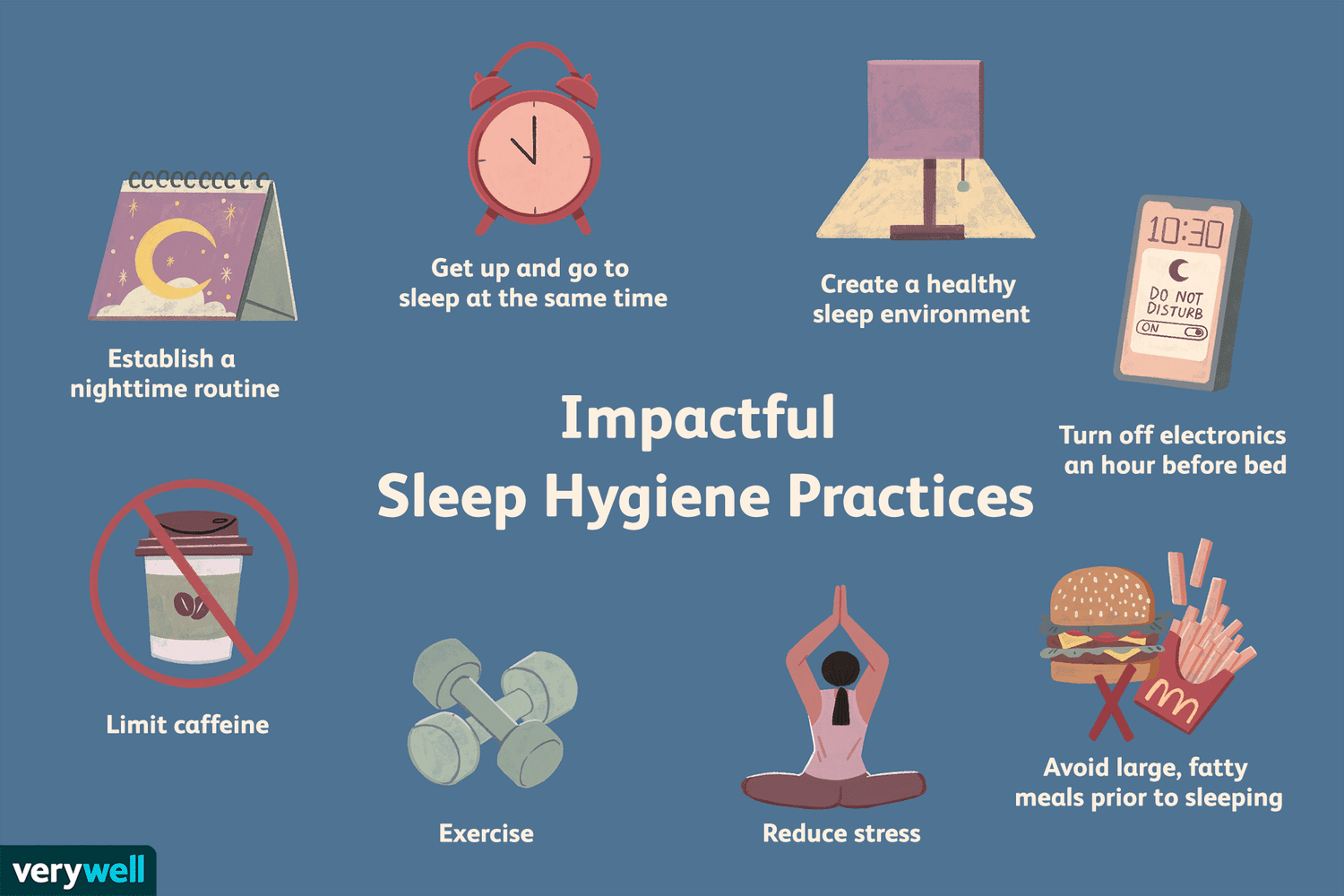
Step 3: Time Your Caffeine Intake
- Morning: Ideal for boosting alertness without affecting night sleep.
- Early afternoon: Can be consumed if sensitivity is low, but avoid after 2–3 PM.
- Evening: Best to avoid caffeine entirely to prevent delayed sleep onset.
Step 4: Limit Total Intake
- Recommended daily limit: 400 mg for most adults (roughly 4 cups of brewed coffee).
- Reduce gradually if you notice sleep disruption.
Step 5: Combine With Healthy Sleep Habits
- Maintain a consistent bedtime routine.
- Avoid screens at least 1 hour before sleep.
- Keep your bedroom dark, quiet, and cool.
Step 6: Track Sleep Patterns
Use sleep apps or journals to track duration, quality, and any disturbances. Compare patterns with caffeine consumption to identify optimal habits.
Benefits of How Caffeine Affects Sleep Health
- Boosts alertness and cognitive function temporarily.
- Increases energy and reduces daytime sleepiness.
- Supports productivity when used responsibly.
- Enhances focus for short-term tasks.
- Helps manage fatigue during irregular schedules or shift work.
Disadvantages / Risks
- Delays sleep onset and reduces total sleep time.
- Fragmented sleep and lower quality deep sleep.
- Can increase anxiety, restlessness, or heart rate.
- May contribute to insomnia if consumed late in the day.
- Creates dependence, leading to withdrawal symptoms like headaches or irritability.
- Impacts natural circadian rhythms when used excessively.
Common Mistakes to Avoid
- Consuming caffeine too late in the day.
- Underestimating hidden caffeine in tea, chocolate, or soft drinks.
- Relying on caffeine to compensate for poor sleep habits.
- Ignoring personal sensitivity and overconsuming.
- Mixing caffeine with energy drinks or supplements excessively.
FAQs
1. How long does caffeine affect sleep?
Caffeine’s half-life is 4–6 hours, meaning it can stay in your system for several hours and potentially impact sleep even if consumed in the afternoon.
2. Can small amounts of caffeine still disrupt sleep?
Yes, even moderate intake can affect sensitive individuals, delaying sleep onset or reducing deep sleep quality.
3. Is coffee worse than tea for sleep?
Coffee generally contains more caffeine, but both can affect sleep. Timing and personal sensitivity are more important than the type of drink.
4. Can caffeine improve alertness without hurting sleep?
Yes, if consumed early in the day and in moderate amounts, caffeine can boost alertness while minimally affecting sleep.
5. How can I reduce caffeine’s impact on sleep?
Limit intake after early afternoon, track sources, and maintain good sleep hygiene. Gradually reducing consumption can help.
6. Are energy drinks worse than coffee for sleep?
Energy drinks often contain higher caffeine and sugar, which can intensify sleep disruption compared to coffee.
7. Can caffeine affect REM sleep?
Yes, caffeine can reduce REM sleep, which is essential for memory, learning, and emotional regulation.
8. Is decaf coffee safe before bedtime?
Decaf contains minimal caffeine and generally has little impact on sleep, making it a safer alternative in the evening.
Expert Tips & Bonus Points
- Use caffeine strategically: morning or early afternoon only.
- Stay hydrated; water can reduce overstimulation from caffeine.
- Pair caffeine with balanced meals to avoid spikes in alertness followed by crashes.
- Track your sleep with a journal or app to notice patterns.
- Rotate between caffeine and non-caffeinated alternatives like herbal tea.
- Adjust gradually if reducing intake to avoid withdrawal symptoms.
Conclusion
Understanding how caffeine affects sleep health is essential for maintaining rest, energy, and overall wellbeing. While caffeine can boost alertness and productivity, improper timing or excessive intake can disrupt sleep cycles, reduce deep sleep, and increase fatigue. By knowing your sensitivity, limiting late-day consumption, and combining caffeine with healthy sleep habits, you can enjoy energy boosts without sacrificing rest.
For beginners, simple steps like tracking intake, timing drinks early, and observing sleep patterns can make a significant difference. Over time, careful caffeine management supports consistent, restorative sleep while still benefiting from its alertness-enhancing effects. Proper balance ensures that caffeine serves as a helpful tool rather than a sleep disruptor, helping you feel rested, focused, and energized every day.