
Stress has become a normal part of modern life. Work pressure, financial responsibilities, family expectations, and constant digital noise can quietly affect our mental health. While stress is unavoidable, ignoring it can lead to serious emotional and physical problems. That is why learning effective mental health tips for stress relief is essential for maintaining balance and wellbeing.
This article shares practical, science-supported, and easy-to-apply strategies that help reduce stress, improve mental clarity, and support long-term mental wellness.
Understanding Stress and Mental Health
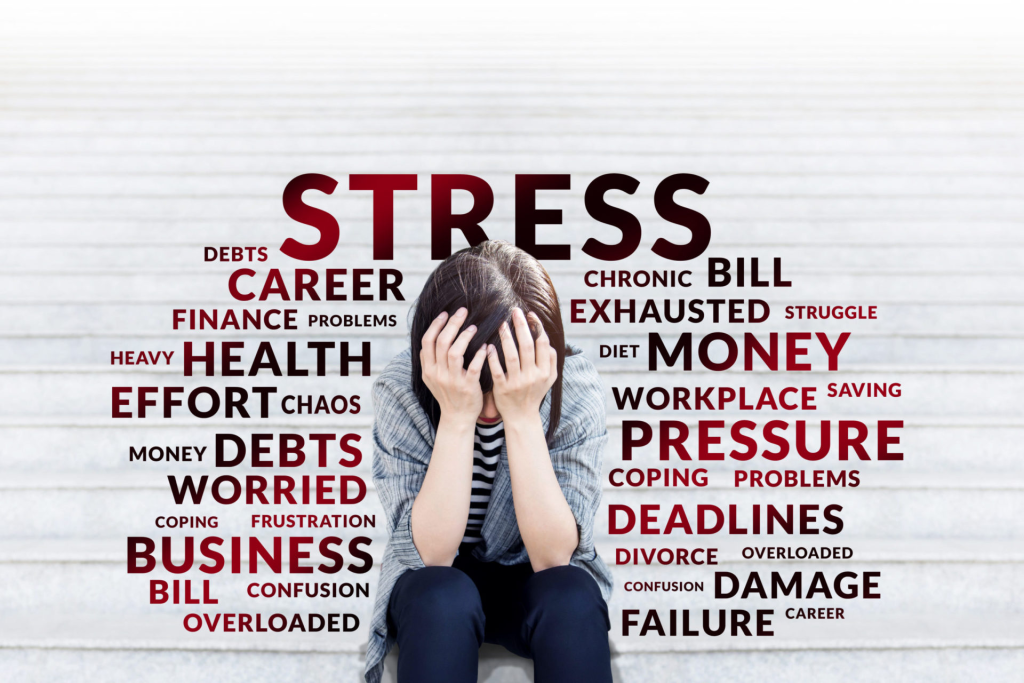
Stress is the body’s natural response to challenges or demands. In small amounts, stress can motivate us to perform better. However, when stress becomes constant, it starts to affect mental health, emotional stability, and overall quality of life.
Chronic stress can lead to anxiety, mood swings, burnout, and even depression. It also impacts sleep, focus, memory, and relationships. Understanding how stress works is the first step toward managing it effectively and protecting your mental wellbeing.
Why Stress Relief Is Important for Mental Wellbeing
Managing stress is not just about feeling relaxed. It plays a critical role in emotional health and mental stability. When stress remains untreated, it increases the risk of mental health disorders and physical illnesses such as heart disease and weakened immunity.
Effective stress relief helps improve mood, increase productivity, strengthen relationships, and enhance overall life satisfaction. Mental health tips for stress relief are essential tools that support both emotional balance and long-term health.
Daily Mental Health Tips for Stress Relief
Practice Mindfulness and Deep Breathing
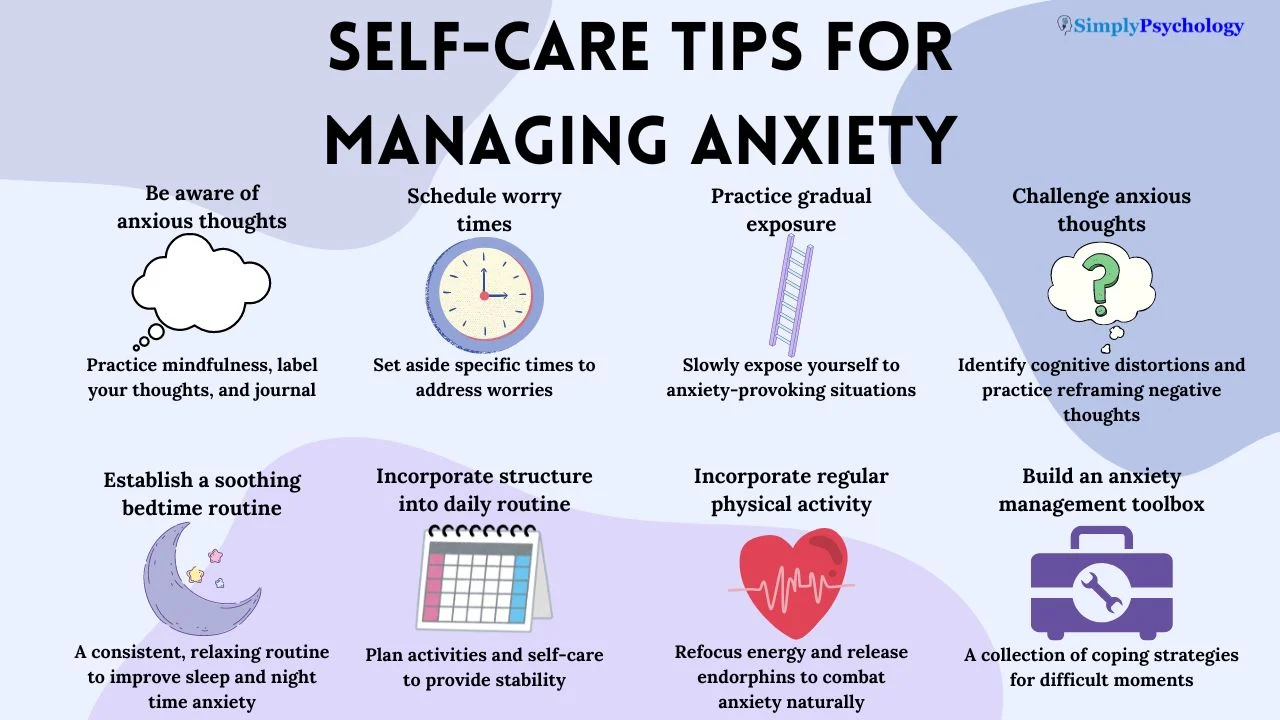
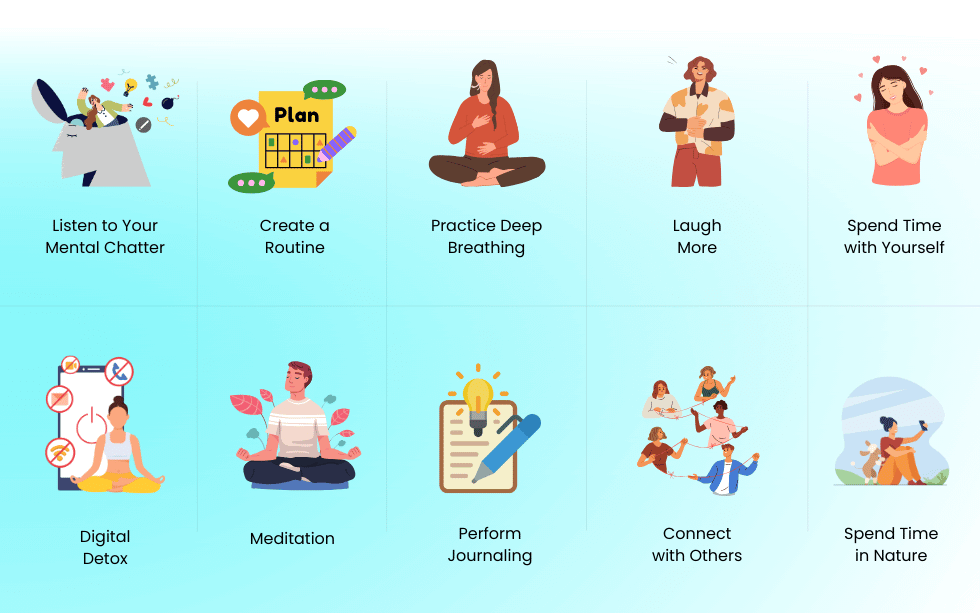
Mindfulness helps bring your attention to the present moment instead of worrying about the past or future. Even a few minutes of mindful breathing can calm the nervous system and reduce anxiety.
Deep breathing exercises slow down the heart rate and signal the brain to relax. Simple practices like inhaling deeply through the nose and exhaling slowly through the mouth can reduce stress almost immediately.
Maintain a Healthy Daily Routine
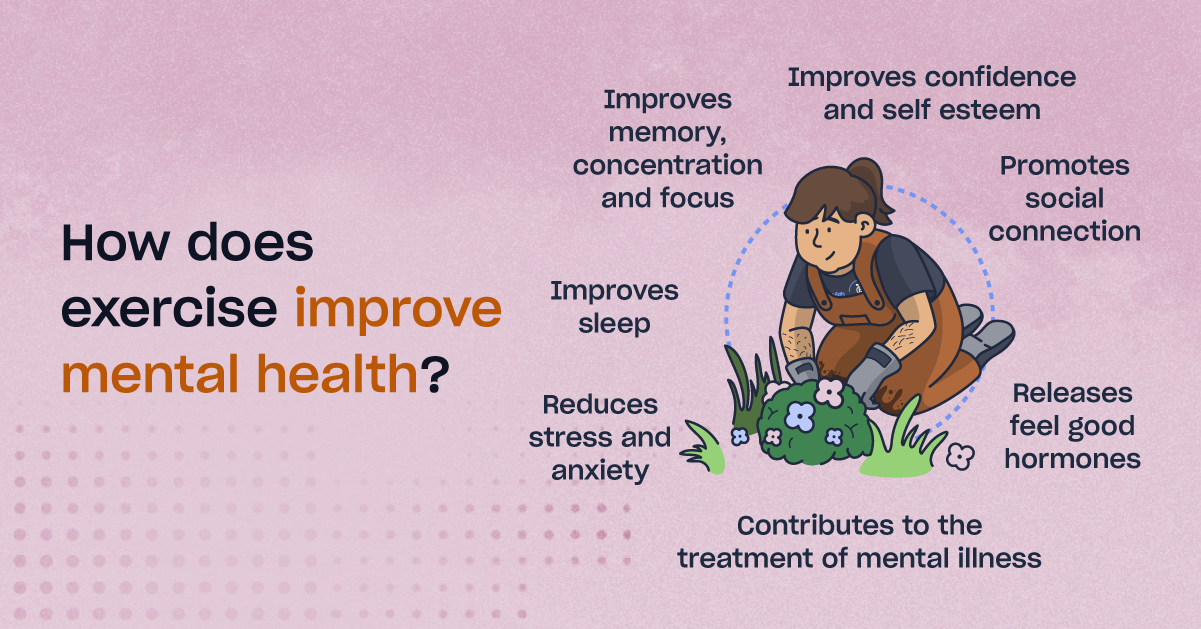
A stable routine gives the mind a sense of control and predictability. Irregular sleep, poor eating habits, and lack of physical activity can worsen stress levels.
Try to maintain consistent sleep times, eat balanced meals, and include some form of physical movement each day. These habits support mental wellness and improve emotional resilience over time.
Limit Digital Overload and Social Media Stress
Constant notifications, news updates, and social media comparisons can increase mental stress. Spending too much time online overstimulates the brain and reduces focus.
Set boundaries for screen time, especially before bedtime. Taking regular breaks from digital devices helps restore mental clarity and emotional balance.
Express Emotions in Healthy Ways
Suppressing emotions often increases stress rather than reducing it. Talking to someone you trust, journaling, or engaging in creative activities can help process emotions safely.
Healthy emotional expression supports emotional wellbeing and prevents stress from building up internally.
Professional Backed Mental Health Strategies
Sometimes stress becomes overwhelming despite personal efforts. In such cases, seeking professional support is a sign of strength, not weakness.
Therapists, counselors, and mental health professionals are trained to help identify stress triggers and provide evidence-based coping strategies. Techniques such as cognitive behavioral therapy are proven to be effective for stress and anxiety management.
Lifestyle Changes That Support Long-Term Stress Relief
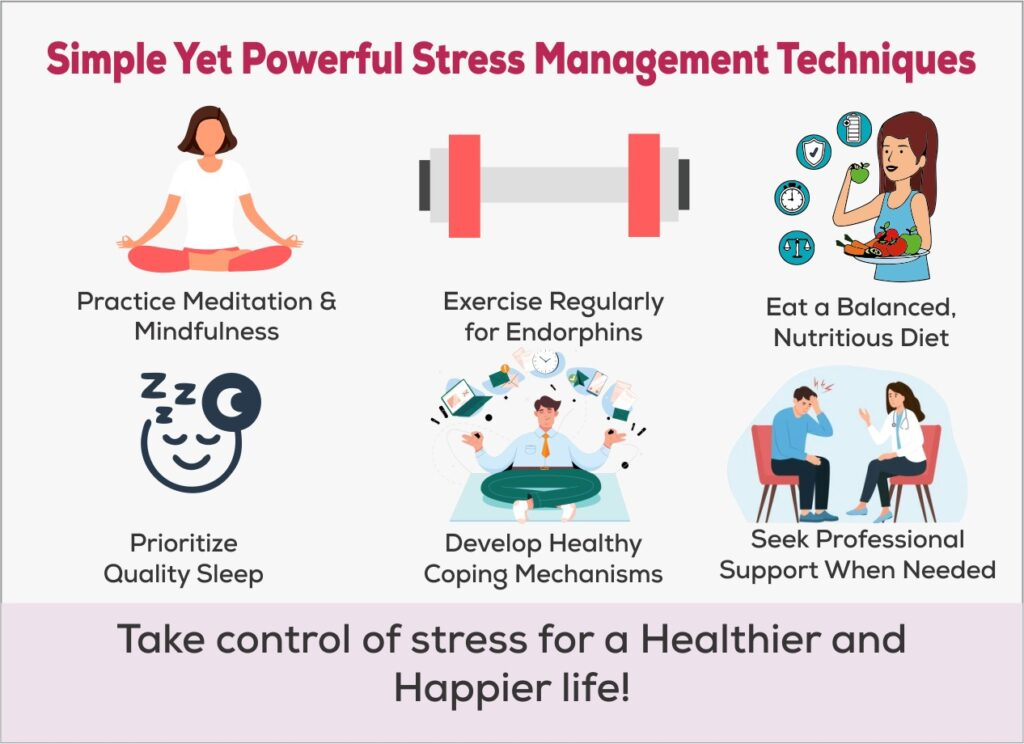
Building resilience over time is key to managing stress effectively. Regular exercise, a balanced diet, and proper sleep patterns strengthen both the mind and body. Avoiding burnout by setting realistic goals and taking time for self-care ensures that stress does not accumulate over months or years.
Common Mistakes People Make When Managing Stress
- Ignoring mental health needs until it becomes overwhelming
- Relying on temporary fixes like excessive caffeine or alcohol
- Comparing personal stress with others instead of focusing on individual coping strategies
Avoiding these mistakes can make your stress relief efforts more effective and sustainable.
Frequently Asked Questions
1. How can I reduce stress naturally?
Natural stress relief comes from mindfulness, deep breathing, physical activity, adequate sleep, and expressing emotions in healthy ways. Regular routines and digital breaks also help.
2. What are the best mental health tips for stress relief?
Practice daily mindfulness, maintain a healthy routine, limit digital overload, express emotions, and seek professional support when needed.
3. Can stress affect physical health?
Yes, chronic stress can weaken immunity, increase blood pressure, affect sleep, and lead to serious health conditions if not managed properly.
4. How long does it take to feel mentally better?
The timeline varies depending on stress levels and coping strategies. Consistent practice of healthy habits often shows noticeable improvements within a few weeks.
Conclusion
Stress is an unavoidable part of life, but it does not have to control your mental health. By implementing these mental health tips for stress relief, you can reduce anxiety, improve emotional wellbeing, and build long-term resilience. Small daily changes like mindfulness, healthy routines, and expressing emotions can make a significant difference. Remember, seeking professional guidance is a sign of strength and an important step in protecting your mental wellbeing.