
Starting a journey toward a healthy lifestyle can feel overwhelming, especially if you’re new to nutrition. But don’t worry—these healthy eating tips for beginners will help you make simple, sustainable changes that improve your health, energy, and overall well-being. By focusing on small steps and realistic habits, you can build a balanced diet that works for you.
Why Healthy Eating Matters
Eating well isn’t just about looking good—it’s about feeling good, too. Proper nutrition fuels your body, supports mental clarity, and helps prevent chronic diseases.
Some key benefits of healthy eating include:
- Physical health: Helps with weight management, strengthens immunity, and supports heart health.
- Mental health: Improves focus, reduces stress, and enhances mood.
- Long-term wellness: Reduces risk of diabetes, heart disease, and other chronic conditions.
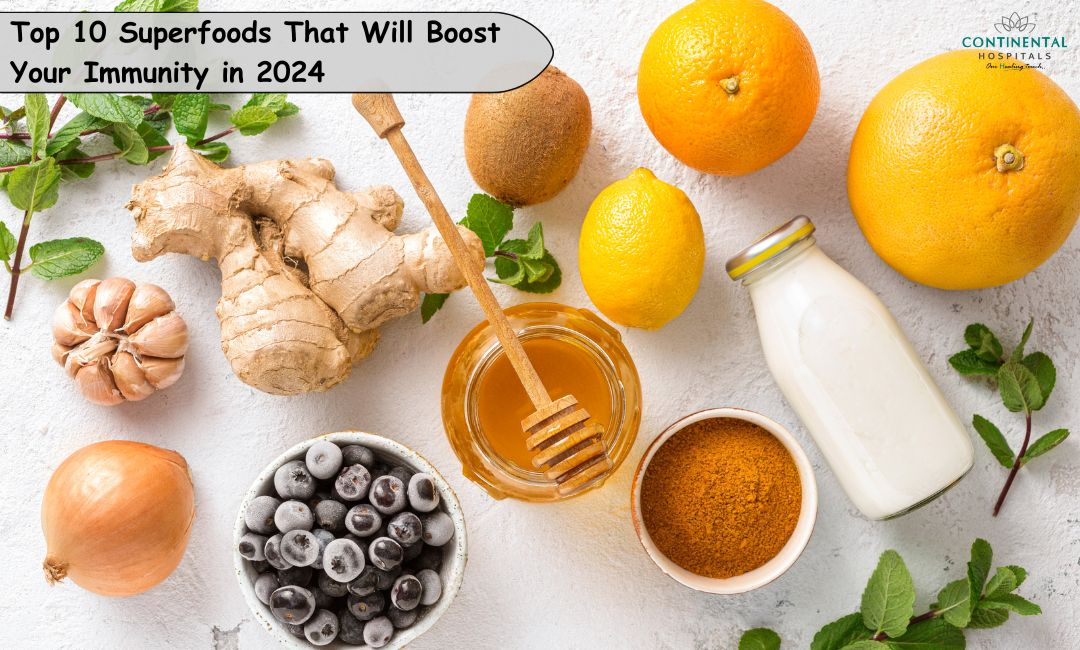
For beginners, understanding nutrition basics is crucial. Simple choices like eating more fruits, vegetables, and whole grains can make a big difference.
Start With Simple Healthy Eating Habits
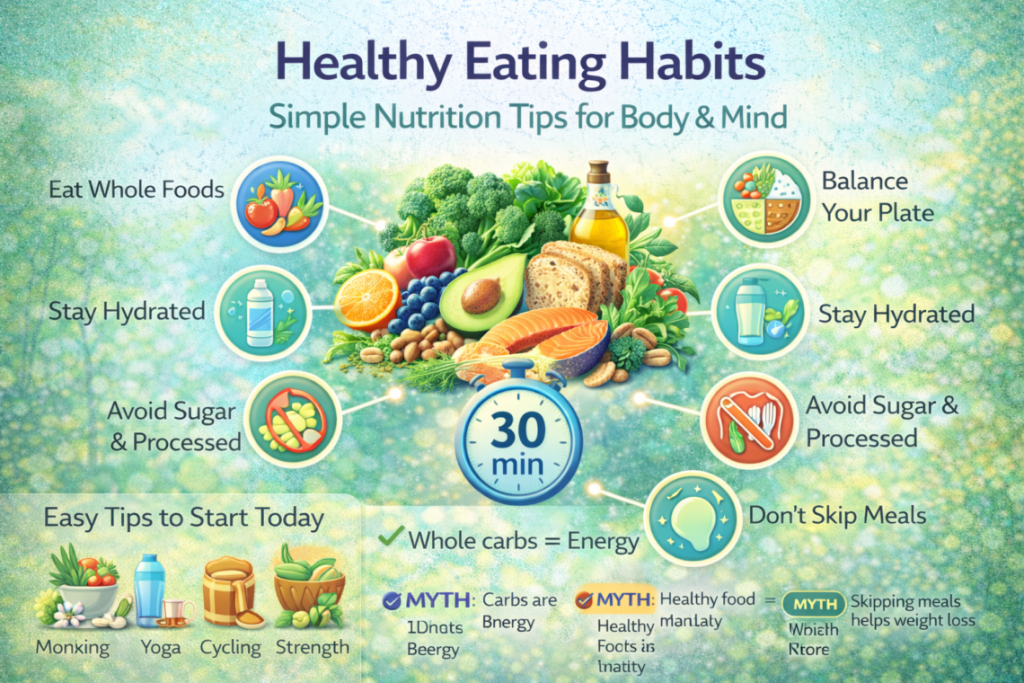
Beginners often feel that healthy eating is complicated—but it doesn’t have to be. Start with these easy habits:
1. Eat More Whole Foods
Focus on fruits, vegetables, lean proteins, whole grains, and nuts. Whole foods provide essential nutrients and are minimally processed, making them perfect for a balanced diet.
2. Control Your Portions
Overeating—even healthy foods—can be a problem. Use smaller plates, listen to your hunger cues, and avoid eating straight from the package.
3. Stay Hydrated
Water is essential for energy, digestion, and metabolism. Aim for at least 8 glasses a day and limit sugary drinks.
4. Limit Processed Foods
Reduce intake of sugar-laden snacks, fast food, and highly processed items. These foods often lack essential nutrients and can sabotage your efforts.
Meal Planning for Beginners
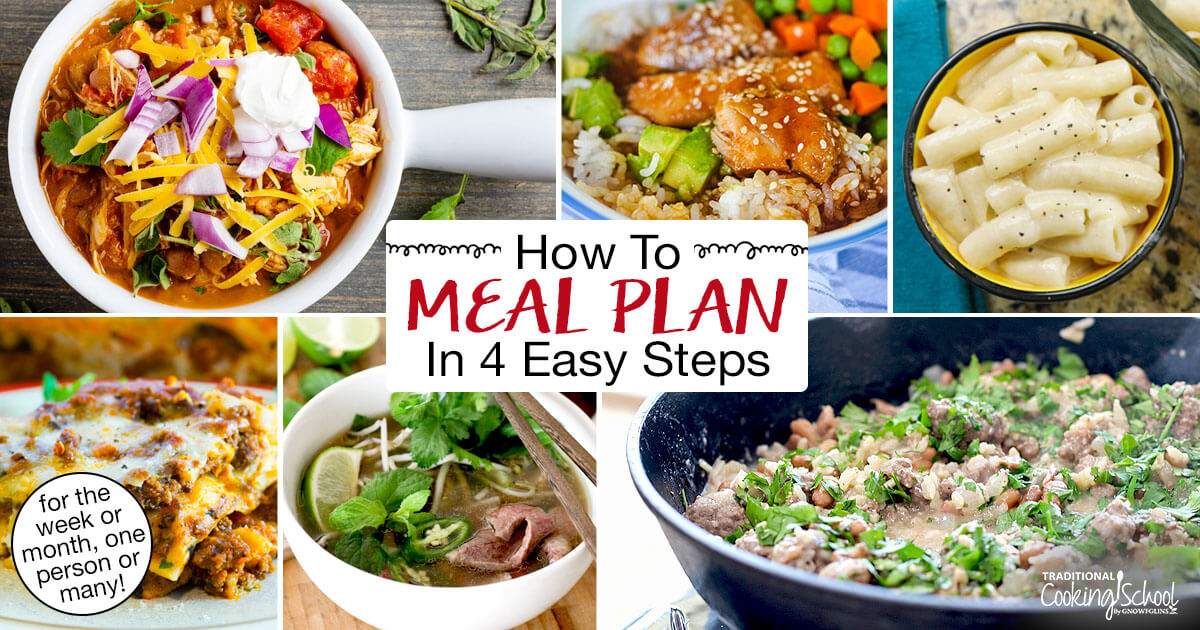
Planning your meals is one of the most effective ways to stay on track. Here’s how beginners can start:
- Create a weekly meal plan: Decide what you’ll eat for breakfast, lunch, and dinner.
- Batch cook: Prepare meals in advance to save time during the week.
- Keep healthy snacks handy: Nuts, fruit, or yogurt make convenient, nutritious options.
By following a meal plan, you’ll avoid impulsive eating and make healthier choices more easily.
Common Mistakes to Avoid
Even the best intentions can go off track if you fall into these beginner pitfalls:
- Skipping meals: Can slow metabolism and increase cravings.
- Over-restricting calories: Eating too little can harm your energy and nutrition.
- Relying on fad diets: Quick fixes rarely produce long-term results.
Remember, healthy eating is a marathon, not a sprint. Consistency beats perfection.
Tips to Stay Motivated
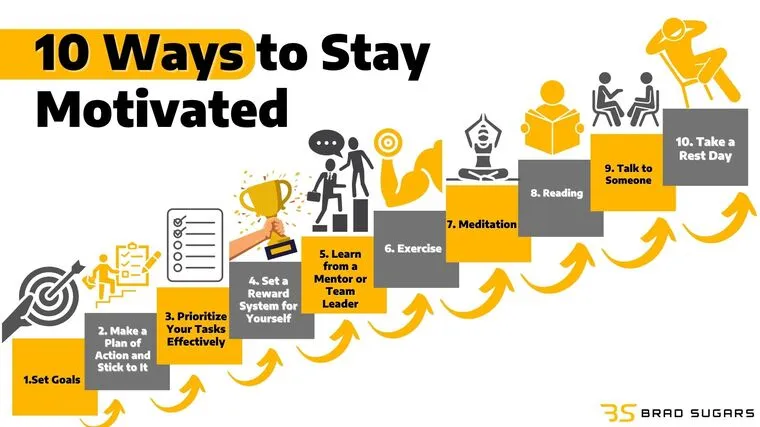
Staying motivated is key to developing lasting habits:
- Track your meals and progress: Journaling helps you stay aware of your choices.
- Celebrate small wins: Even small improvements are a step in the right direction.
- Find support: Join a community, or team up with friends or family.
A positive mindset makes it easier to stick to your healthy lifestyle goals.
Sample Easy Healthy Recipes for Beginners
Here are a few simple healthy recipes to get you started:
- Overnight Oats – Mix oats, milk, and fruit; refrigerate overnight.
- Quinoa Salad – Combine quinoa, vegetables, and olive oil for a nutrient-rich meal.
- Smoothie Bowls – Blend fruits with yogurt and top with nuts and seeds.
These recipes are quick, nutritious, and perfect for beginners who want easy healthy meals.
FAQs
1. What is the easiest way to start eating healthy?
Start by incorporating more whole foods, drinking plenty of water, and limiting processed foods. Small changes over time are more sustainable than drastic diets.
2. How can beginners plan meals effectively?
Begin with a weekly plan, batch cook where possible, and prepare healthy snacks. Planning reduces stress and helps maintain a balanced diet.
3. Are there simple snacks that are healthy?
Yes! Fruits, nuts, yogurt, cut vegetables, and hummus are all easy, nutritious snack options.
4. How long does it take to see results from healthy eating?
Results vary depending on your habits, but many beginners notice improved energy and mood within a few weeks. Long-term benefits, like weight management and reduced disease risk, appear over months.
5. Can I still enjoy treats while eating healthy?
Absolutely! Moderation is key. You can enjoy occasional treats while maintaining a healthy lifestyle, which helps prevent feelings of deprivation.
Conclusion
Adopting healthy eating habits as a beginner doesn’t have to be complicated. By focusing on whole foods, portion control, hydration, meal planning, and realistic goals, you can create a balanced diet that supports your overall health. Start small, stay consistent, and gradually you’ll build a healthier, happier lifestyle.
“Take the first step today with these healthy eating tips for beginners and enjoy the journey to better health!”