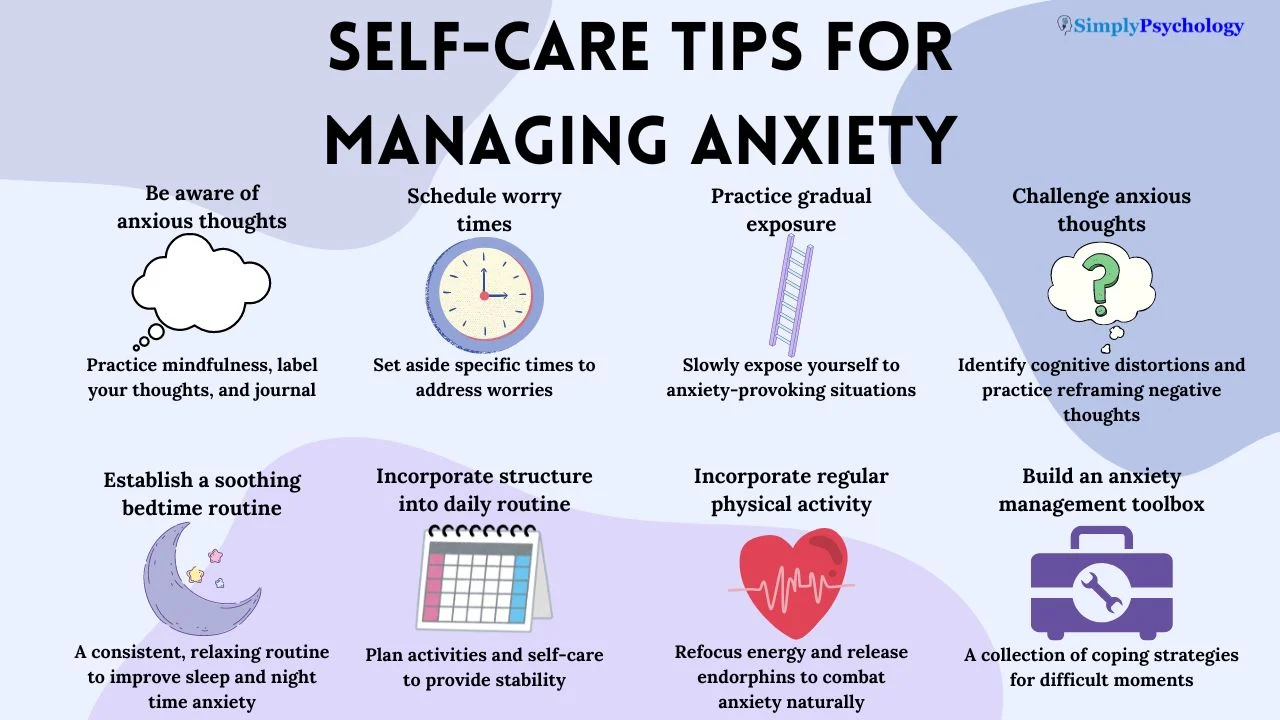

Depression is more than just feeling sad it’s a serious mental health condition that affects millions of people worldwide. Recognizing the signs of depression early is essential for getting the help and support you need. Fortunately, there are effective ways to cope with depression, from professional treatment to simple lifestyle changes. This guide will help you understand the symptoms, causes, and practical strategies for managing depression in your daily life.
What is Depression?
Depression is a mental health disorder that impacts a person’s mood, thoughts, and overall wellbeing. It goes beyond temporary sadness or stress and can affect how you think, feel, and handle daily activities. People with depression often experience persistent feelings of sadness, loss of interest in activities, fatigue, and difficulty concentrating.
According to the World Health Organization (WHO), more than 280 million people globally live with depression, making it one of the leading causes of disability. Understanding its signs and learning how to cope is vital to improving your mental health and quality of life.
Related keywords: mental health disorder, emotional wellbeing
Common Signs of Depression
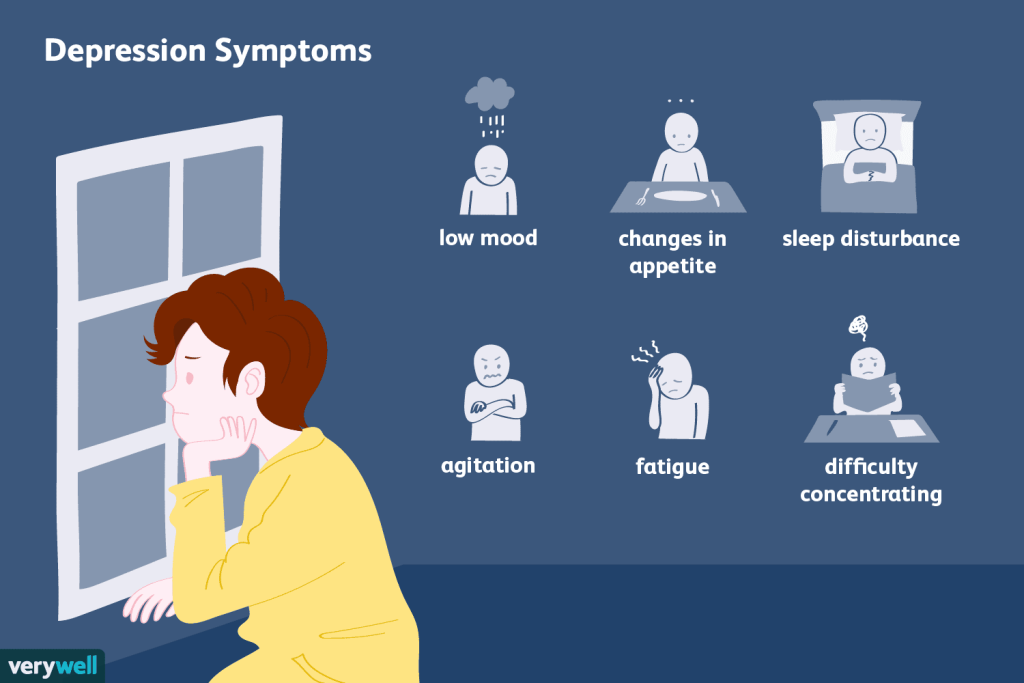
Depression manifests in different ways for different people. Recognizing these warning signs can help you seek support early.
Persistent Sadness or Low Mood
Feeling sad, empty, or hopeless for most of the day is a core symptom of depression. This mood may persist for weeks or months and can interfere with daily life.
Loss of Interest or Pleasure
Activities that once brought joy—hobbies, social events, or even work—may no longer feel enjoyable. This loss of interest is called anhedonia.
Changes in Sleep or Appetite
Depression can disrupt normal sleep patterns, causing insomnia or oversleeping. Appetite may increase or decrease, leading to sudden weight changes.
Fatigue and Low Energy
Even small tasks may feel exhausting. Fatigue is a common symptom that affects motivation and productivity.
Difficulty Concentrating
Depression often makes it hard to focus, make decisions, or remember things, impacting both work and personal life.
Feelings of Worthlessness or Guilt
Negative thoughts about oneself, excessive guilt, or feelings of hopelessness can take a toll on mental health and self-esteem.
Related keywords: depression warning signs, emotional symptoms of depression, behavioral changes
Causes and Risk Factors
Depression is rarely caused by a single factor. Genetics, brain chemistry, traumatic experiences, and stressful life events can all contribute. Risk factors include:
- Family history of depression
- Childhood trauma or abuse
- Chronic medical conditions
- Major life changes, such as losing a loved one or job stress
Understanding these factors helps in recognizing who might be at higher risk and emphasizes that depression is not a personal weakness.
Related keywords: causes of depression, depression triggers, mental health risk factors
How to Cope with Depression
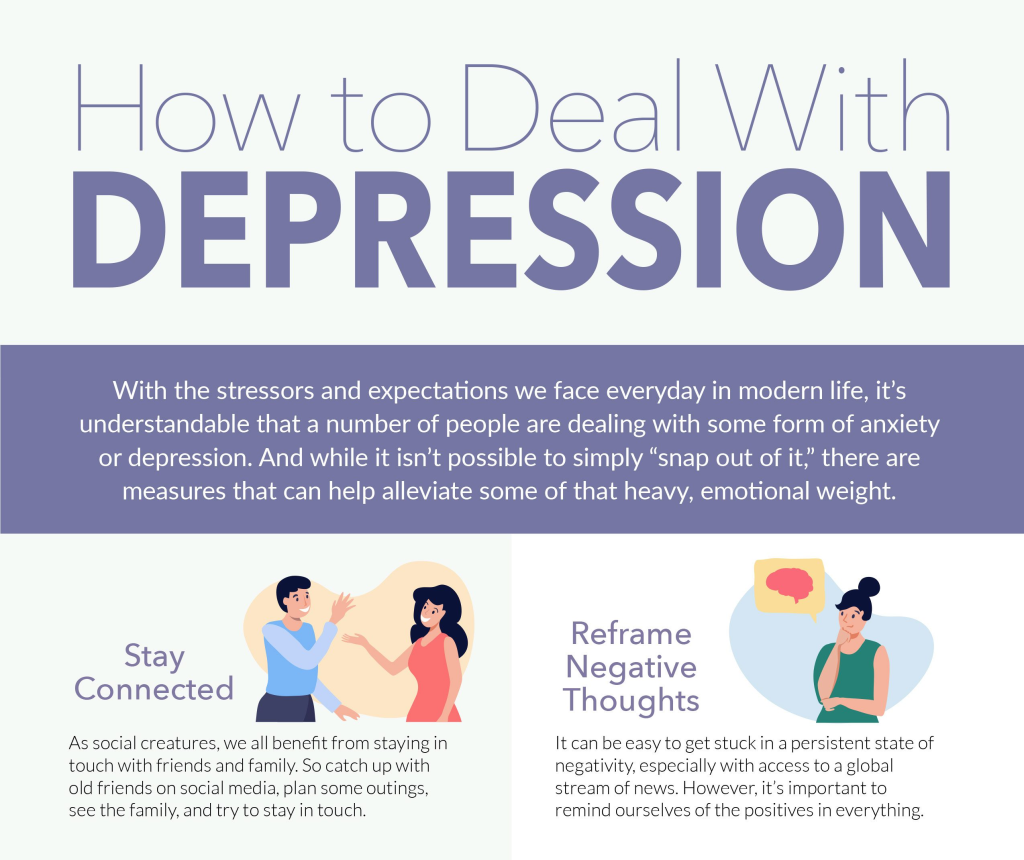
While depression can be overwhelming, there are several strategies to manage symptoms and improve mental wellbeing:
Seek Professional Help
Therapists, counselors, and psychiatrists can provide guidance, therapy, or medication if needed. Professional support is often the most effective way to manage depression.
Build a Support System
Talking to trusted friends, family, or joining a support group can help reduce feelings of isolation and provide emotional support.
Lifestyle Changes
Regular exercise, a healthy diet, and consistent sleep patterns have been proven to reduce depression symptoms. Mindfulness practices like meditation can also improve emotional wellbeing.
Stress Management Techniques
Journaling, creative hobbies, and relaxation techniques can help manage stress and improve mood.
Medication Options
Antidepressants may be recommended by a healthcare provider. It’s important to consult a doctor before starting any medication and follow their guidance carefully.
Related keywords: coping strategies for depression, depression self help, mental wellness tips
When to Seek Help
It’s crucial to seek professional help if depression significantly impacts daily life, relationships, or if you experience thoughts of self-harm. Trusted resources include:
- National Institute of Mental Health (NIMH)
- World Health Organization (WHO)
- Local mental health helplines
Early intervention increases the likelihood of recovery and can prevent more severe mental health issues.
Related keywords: depression treatment options, getting help for depression, suicide prevention
Myths and Misconceptions about Depression
Depression is often misunderstood. Common myths include:
- “Depression is just sadness” – It’s a complex mental health disorder.
- “You can just ‘snap out of it’” – Recovery usually requires support and strategies.
- “Only weak people get depressed” – Depression can affect anyone, regardless of strength or background.
Debunking these myths helps reduce stigma and encourages people to seek help.
Related keywords: depression facts, mental health myths, depression awareness
FAQs
1. What are the early signs of depression?
Early signs include persistent sadness, loss of interest in activities, fatigue, changes in sleep or appetite, and difficulty concentrating. Recognizing these signs early can lead to timely support.
2. How can I cope with depression naturally at home?
You can try exercise, mindfulness meditation, journaling, maintaining a healthy sleep schedule, and connecting with supportive friends or family.
3. When should I see a doctor for depression?
Seek professional help if symptoms persist for more than two weeks, interfere with daily life, or if you experience thoughts of self-harm.
4. Can lifestyle changes really help with depression?
Yes. Regular physical activity, a balanced diet, good sleep, and stress-reduction techniques can significantly improve mood and mental wellbeing.
5. What are common myths about depression I should ignore?
Ignore myths like “depression is just sadness” or “only weak people get depressed.” Depression is a medical condition and not a personal failing.
Conclusion
Recognizing the signs of depression and learning how to cope are essential steps toward better mental health. Whether through professional support, lifestyle changes, or building a strong support network, recovery is possible. If you or someone you know is struggling, reach out for help mental health matters, and no one has to face depression alone.