
Introduction
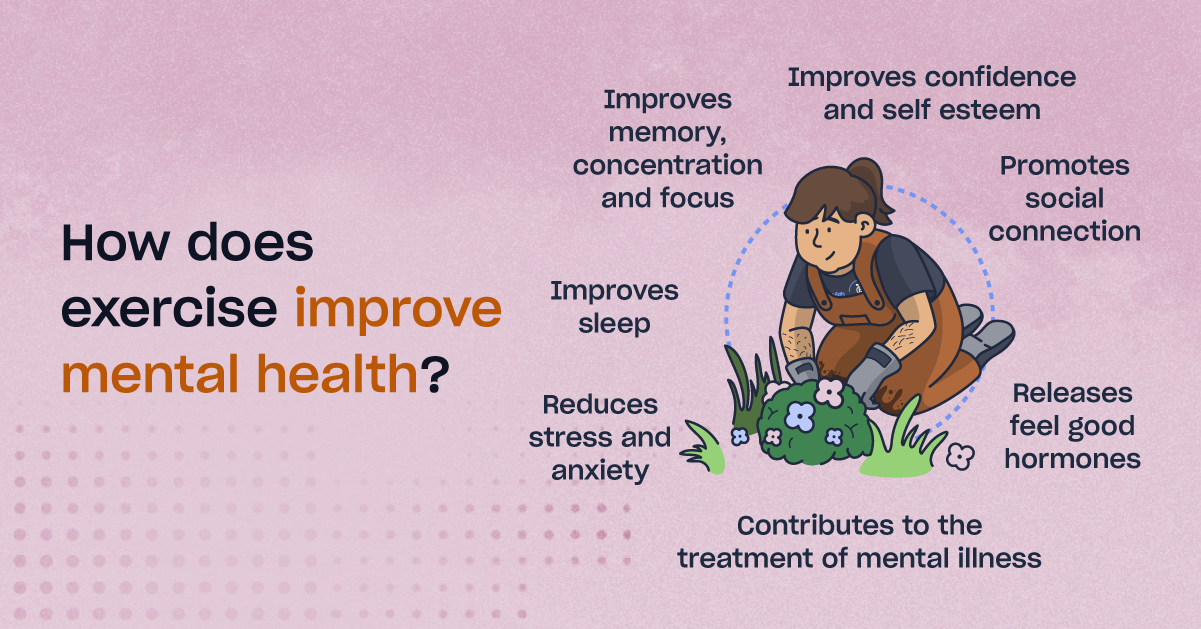
Mental health is just as important as physical health, yet it’s often overlooked. In today’s fast-paced world, stress, anxiety, and depression have become common challenges. One of the most effective and accessible ways to improve mental wellbeing is through exercise. The role of exercise in mental health goes beyond just staying fit—it helps regulate mood, reduces stress, and boosts cognitive function. Scientific studies show that physical activity can enhance brain chemistry, improve sleep, and even help prevent mental health disorders. Whether you’re a beginner or a seasoned athlete, understanding how exercise affects your mind can empower you to lead a healthier, happier life.
Related keywords: benefits of exercise for mental health, mental wellbeing, stress reduction, anxiety management
Exercise does more than strengthen your muscles—it profoundly impacts your brain. Physical activity increases the production of endorphins, the brain’s natural “feel-good” chemicals, which help reduce stress and elevate mood. Regular exercise also stimulates neuroplasticity, improving cognitive function and mental resilience.
According to research published in journals like Frontiers in Psychiatry, individuals who engage in regular physical activity report lower levels of anxiety and depression. Even moderate exercise, such as brisk walking for 30 minutes a day, can improve mental wellbeing significantly.
Related keywords: physical activity mental health, mood improvement, brain chemicals
Types of Exercise Beneficial for Mental Health
1. Aerobic Exercises
Running, swimming, cycling, and dancing are examples of aerobic exercises that increase heart rate and oxygen flow to the brain. These activities are proven to reduce anxiety, alleviate depression, and improve focus.
2. Strength Training and Resistance Exercises
Lifting weights or using resistance bands can enhance self-esteem and reduce stress. Studies show that combining strength training with aerobic exercise provides even greater mental health benefits.
3. Mind-Body Exercises
Yoga, Pilates, and tai chi combine physical movement with mindfulness, helping to reduce stress and improve emotional regulation. These exercises are particularly effective for those managing anxiety or sleep disturbances.
Related keywords: yoga for mental health, aerobic exercise mood, mental health workout routines
Mental Health Benefits of Regular Exercise
1. Reduces Anxiety and Depression
Exercise helps balance neurotransmitters like serotonin and dopamine, reducing symptoms of anxiety and depression naturally.
2. Improves Mood and Self-Esteem
Achieving exercise goals, even small ones, releases endorphins that elevate mood and create a sense of accomplishment.
3. Enhances Sleep Quality
Physical activity helps regulate sleep patterns, making it easier to fall asleep and stay rested.
4. Boosts Cognitive Function and Focus
Exercise increases blood flow to the brain, improving memory, focus, and overall mental sharpness.
Related keywords: exercise for anxiety, exercise for depression, cognitive benefits of exercise, stress relief exercise
How to Incorporate Exercise into Your Daily Routine

Start Small
Begin with 10–15 minutes of activity per day and gradually increase. Even a short walk during lunch breaks can improve your mental wellbeing.
Make It Enjoyable
Choose exercises you enjoy—dancing, hiking, or group classes. Enjoyable activities increase adherence and make the routine sustainable.
Track Progress
Keeping a journal or using apps to track workouts can motivate you and help build long-term consistency.
Related keywords: daily exercise tips, beginner workout for mental health, exercise routine for mental wellbeing
Precautions and When to Seek Professional Help
While exercise is highly beneficial, it’s important to avoid overtraining, which can lead to fatigue, injury, and mental burnout. Those with severe mental health conditions should combine exercise with professional therapy or medication. Always consult a healthcare provider if you experience unusual symptoms or emotional distress.
Related keywords: exercise safety, mental health treatment, professional mental health advice
Conclusion
The role of exercise in mental health cannot be overstated. From reducing anxiety and depression to improving sleep and cognitive function, regular physical activity is a powerful tool for mental wellbeing. Start small, stay consistent, and choose activities that you enjoy to experience the full benefits. By integrating exercise into your daily routine, you can boost your mind and improve your overall quality of life.