
Introduction
In today’s fast-paced world, managing stress and maintaining mental health well-being has become more important than ever. Meditation techniques for mental health are increasingly recognized as a natural and effective way to reduce anxiety, improve focus, and enhance emotional balance. Whether you’re dealing with daily stress or looking for long-term mental clarity, incorporating meditation into your routine can be life-changing.
Understanding Mental Health and the Role of Meditation
Mental health is more than just the absence of mental illness—it includes emotional, psychological, and social well-being. Challenges like stress, anxiety, and emotional fatigue can disrupt daily life, affecting both physical and mental health. Meditation offers a proven way to manage these challenges.
Scientific studies show that regular meditation helps regulate the nervous system, reduce cortisol levels, and improve overall mental resilience. It allows individuals to observe their thoughts without judgment, creating a healthier and calmer mindset.
How Meditation Improves Mental Health Naturally
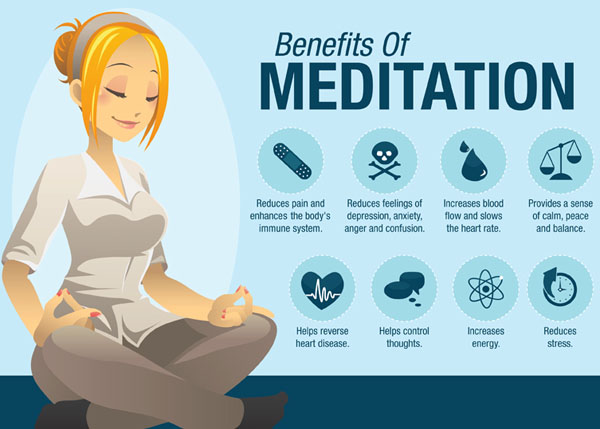
Meditation techniques for mental health work by calming the mind and creating awareness of the present moment. Some of the benefits include:
- Stress Reduction: Meditation lowers cortisol, the stress hormone, helping you feel more relaxed.
- Reduced Anxiety: Regular practice helps manage anxious thoughts and improves emotional regulation.
- Improved Focus: Mindfulness and concentration techniques enhance attention and cognitive clarity.
- Better Sleep: Meditation promotes relaxation, which can improve sleep quality and overall mental recovery.
- Emotional Balance: It fosters self-awareness, compassion, and emotional stability.
Scientific evidence confirms that even 10–15 minutes a day can create measurable improvements in mood and mental health.
Different Meditation Techniques for Mental Health
Mindfulness Meditation
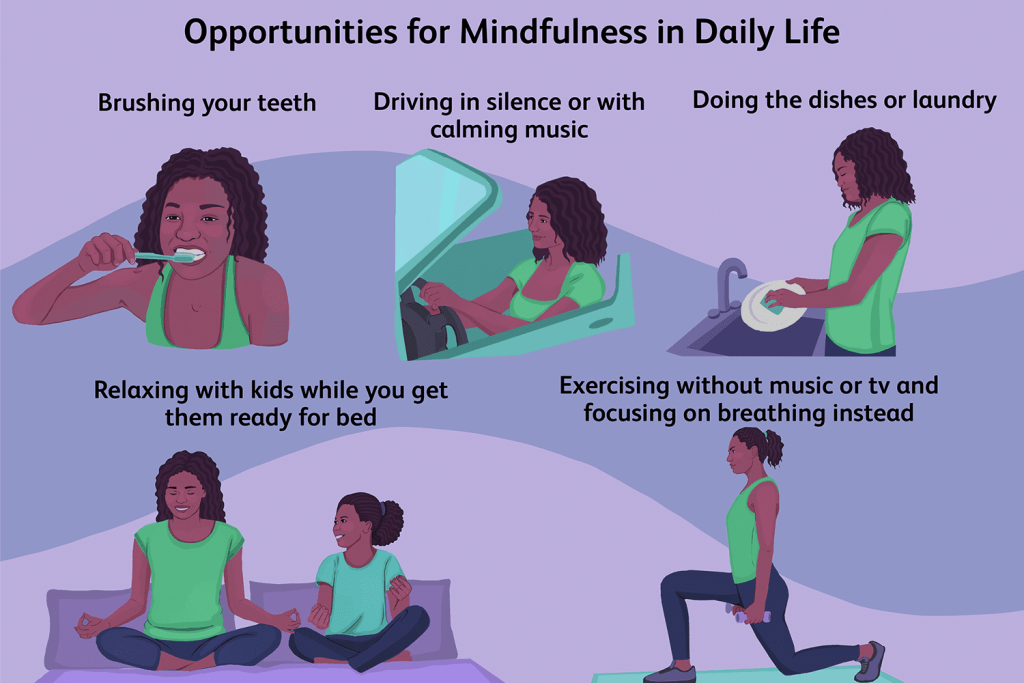
Mindfulness meditation encourages paying attention to the present moment without judgment.
Benefits: Reduces anxiety, enhances focus, and helps manage overthinking.
Practice: Sit comfortably, focus on your breath, and gently bring your mind back when it wanders. Start with 5–10 minutes daily and gradually increase.
Breathing Based Meditation
Breathing-based meditation focuses on controlling and observing your breath.
Benefits: Calms the nervous system, reduces panic, and improves emotional stability.
Practice: Inhale slowly for 4 counts, hold for 4 counts, exhale for 6 counts. Repeat for 5–10 minutes.
Loving Kindness Meditation
Also known as Metta meditation, this technique encourages cultivating compassion for yourself and others.
Benefits: Improves emotional healing, fosters positive relationships, and enhances self-acceptance.
Practice: Silently repeat phrases like “May I be happy, may I be healthy” and extend them to loved ones.
Body Scan Meditation
This technique connects the mind and body by bringing awareness to physical sensations.
Benefits: Reduces tension, increases relaxation, and heightens awareness of emotional stress stored in the body.
Practice: Lie down comfortably, slowly focus on each part of your body from head to toe, noticing sensations without judgment.
Guided Visualization Meditation
Guided visualization uses mental imagery to promote relaxation and emotional balance.
Benefits: Reduces stress, boosts mood, and supports mental clarity.
Practice: Listen to guided audio that takes you through calming imagery, like a serene beach or forest, for 10–20 minutes.
Tips to Make Meditation More Effective
- Practice consistently, even if just 5–10 minutes a day.
- Create a quiet and comfortable space to meditate.
- Be patient—mental health benefits grow over time.
- Combine meditation with light physical activity, journaling, or gratitude practices for enhanced results.
Frequently Asked Questions (FAQs)
1. How long should I meditate for mental health?
Even 5–10 minutes daily can provide benefits, but consistency is more important than duration. Gradually increase to 20–30 minutes for deeper results.
2. Can meditation replace therapy or medication?
Meditation is a complementary practice. It can improve mental well-being but should not replace professional treatment for severe mental health conditions.
3. Which meditation technique is best for anxiety?
Mindfulness meditation and breathing-based meditation are particularly effective for reducing anxiety and calming the mind.
4. How soon can I see results from meditation?
Many people feel immediate relaxation, but noticeable improvements in mental health may take 2–4 weeks of consistent practice.
5. Do I need special equipment to meditate?
No special equipment is required. A quiet space and a comfortable seat are enough. Guided apps or audio can enhance the experience.
Conclusion
Meditation techniques for mental health provide a simple yet powerful way to manage stress, improve emotional balance, and cultivate inner peace. From mindfulness to breathing exercises, loving kindness, body scans, and guided visualization, there are techniques suitable for every individual. By making meditation a part of your daily routine, you can experience profound improvements in mental well-being and overall quality of life.