

Turmeric, a golden-yellow spice often used in cooking, has been cherished for centuries not only for its flavor but also for its remarkable health benefits. From supporting immunity to improving heart health, this natural remedies has caught the attention of scientists, nutritionists, and wellness enthusiasts worldwide. In this guide, we explore the key benefits of turmeric for health, backed by research, and show practical ways to include it in your daily life.
What is Turmeric?
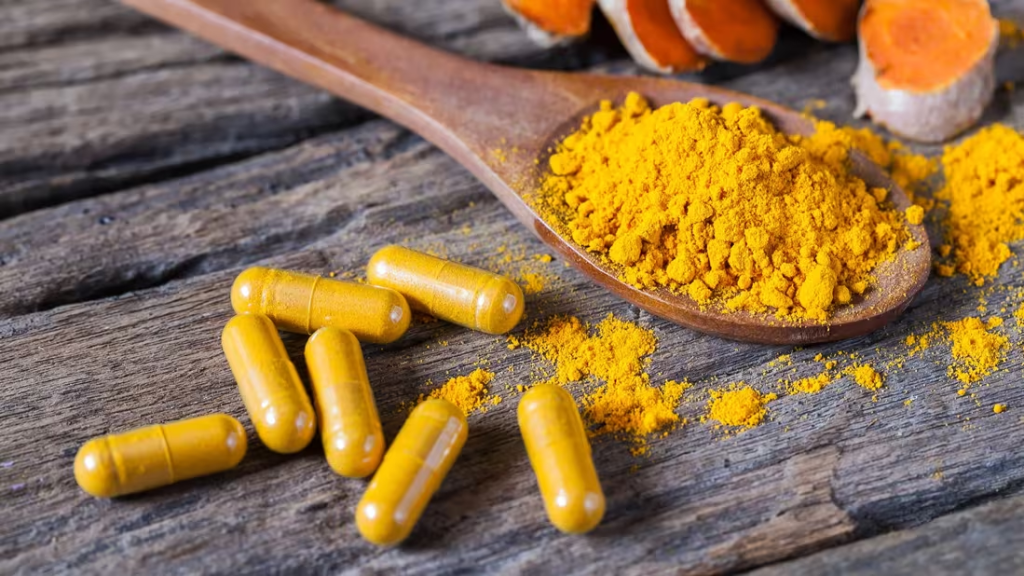
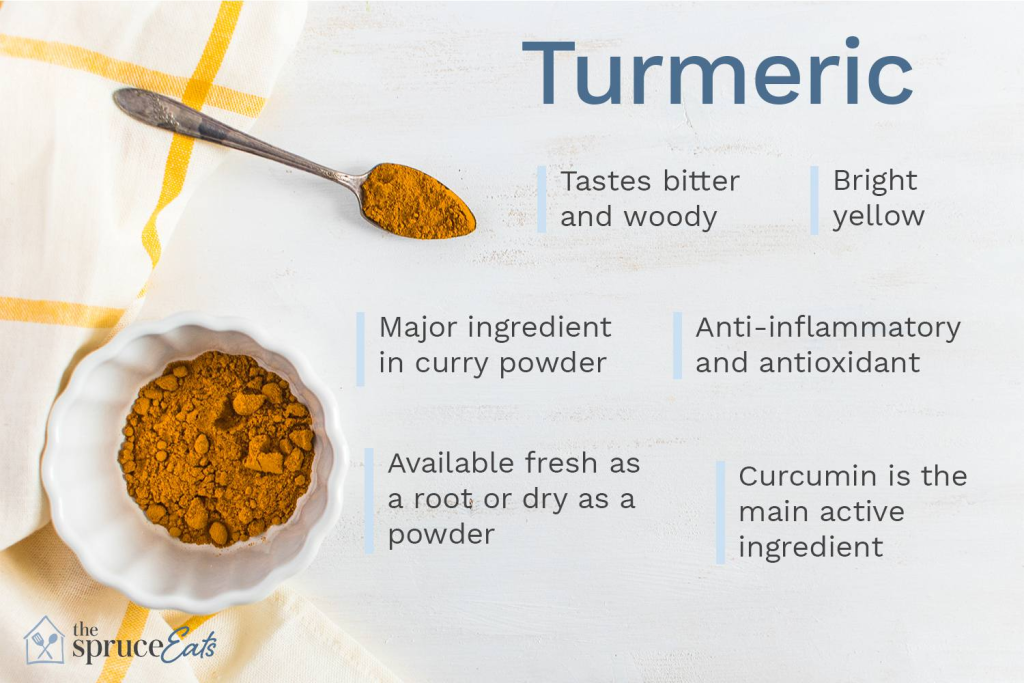
Turmeric, scientifically known as Curcuma longa, is a plant from the ginger family. Its bright yellow-orange root has been a staple in traditional medicine, particularly in Ayurveda, for thousands of years. The primary active compound in turmeric is curcumin, which is responsible for most of its medicinal properties. Curcumin is a potent antioxidant and anti-inflammatory agent that supports various aspects of health.
Modern studies confirm many of turmeric’s traditional uses, making it a bridge between ancient wisdom and modern science.
Related keywords: curcumin benefits, turmeric spice, turmeric properties
Key Health Benefits of Turmeric
1. Anti-inflammatory Effects
Chronic inflammation is linked to many modern health issues, including arthritis, heart disease, and metabolic syndrome. Turmeric is widely recognized for its anti-inflammatory properties, which help reduce inflammation naturally. Research shows that curcumin can inhibit molecules that trigger inflammation in the body, potentially reducing pain and swelling in conditions like osteoarthritis and rheumatoid arthritis.
Related keywords: turmeric inflammation, turmeric for arthritis
2. Boosts Immunity
A strong immune system is crucial for overall health, especially during cold and flu seasons. Turmeric can support immunity by modulating immune cells and reducing oxidative stress. Regular inclusion of turmeric in your diet may enhance your body’s ability to fight infections and maintain balanced immune function.
Related keywords: turmeric for immunity, turmeric health benefits
3. Supports Heart Health
Heart disease remains one of the leading causes of death worldwide, and turmeric may help protect cardiovascular health. Curcumin improves the function of the endothelium—the lining of blood vessels—helping regulate blood pressure, blood clotting, and cholesterol levels. Studies suggest that incorporating turmeric into your diet may reduce the risk of heart-related conditions.
Related keywords: turmeric heart health, turmeric for cholesterol
4. Improves Brain Function
Cognitive decline is a common concern with aging, but turmeric may offer protective benefits. Curcumin can cross the blood-brain barrier, reducing inflammation and oxidative stress in the brain. Some studies indicate that turmeric may improve memory, mood, and overall brain function.
Related keywords: turmeric brain health, turmeric for memory
5. Aids Digestion
Turmeric is a natural digestive aid that can reduce bloating, gas, and discomfort. Its anti-inflammatory and antioxidant properties help maintain gut health by supporting healthy bile production and promoting a balanced digestive system. Regular consumption can enhance overall digestion and nutrient absorption.
Related keywords: turmeric for digestion, turmeric digestive benefits
6. May Help Manage Diabetes
Turmeric may also play a role in regulating blood sugar levels. Research suggests that curcumin can improve insulin sensitivity and reduce markers of inflammation associated with diabetes. While turmeric is not a replacement for medical treatment, it can be a helpful addition to a balanced diet for managing blood sugar naturally.
Related keywords: turmeric for diabetes, turmeric blood sugar
How to Use Turmeric
There are several ways to enjoy the benefits of turmeric:
- Golden milk: Mix turmeric with milk, honey, and a pinch of black pepper for better absorption.
- Smoothies: Add fresh or powdered turmeric to fruit and vegetable smoothies.
- Cooking: Incorporate turmeric in soups, curries, and stir-fries.
- Supplements: Curcumin capsules are an option, especially for consistent daily intake.
Tip: Always combine turmeric with black pepper, as piperine in pepper enhances curcumin absorption by up to 2,000%.
Related keywords: how to use turmeric, turmeric consumption
Potential Side Effects and Precautions
While turmeric is generally safe, excessive consumption may cause digestive discomfort or interact with certain medications, such as blood thinners. Pregnant or breastfeeding women should consult a healthcare professional before taking turmeric supplements. Following recommended doses ensures safety while enjoying its health benefits.
Related keywords: turmeric side effects, turmeric safety
Scientific Evidence and Studies
Several studies confirm turmeric’s health benefits:
- A study published in Phytotherapy Research showed that curcumin significantly reduced inflammation in arthritis patients.
- Research in Journal of Clinical Psychopharmacology suggests turmeric can improve mood and cognitive function.
- Studies on cardiovascular health indicate turmeric improves endothelial function and lowers cholesterol levels.
These findings highlight turmeric’s potential as a natural, evidence-based approach to health.
Related keywords: turmeric research, turmeric studies
FAQs About Turmeric
Q: How much turmeric should I take daily?
A: 500–2,000 mg of turmeric or 1–3 grams of fresh turmeric root is generally safe for adults. Consult your doctor if taking medications.
Q: Can turmeric help with inflammation?
A: Yes, curcumin in turmeric is a natural anti-inflammatory that may reduce swelling and pain.
Q: Is turmeric good for heart health?
A: Research shows turmeric can improve blood vessel function, reduce cholesterol, and support heart health.
Q: How can I make turmeric more effective?
A: Combine it with black pepper and a small amount of healthy fat for better absorption.
Conclusion
Turmeric is much more than a kitchen spice. Its natural anti-inflammatory, antioxidant, and immune-boosting properties make it a powerful ally for overall health. By incorporating turmeric into your diet through cooking, beverages, or supplements, you can enjoy its wide-ranging benefits safely.
Start small, be consistent, and consult healthcare professionals if needed—your body may thank you with better health, energy, and wellness.