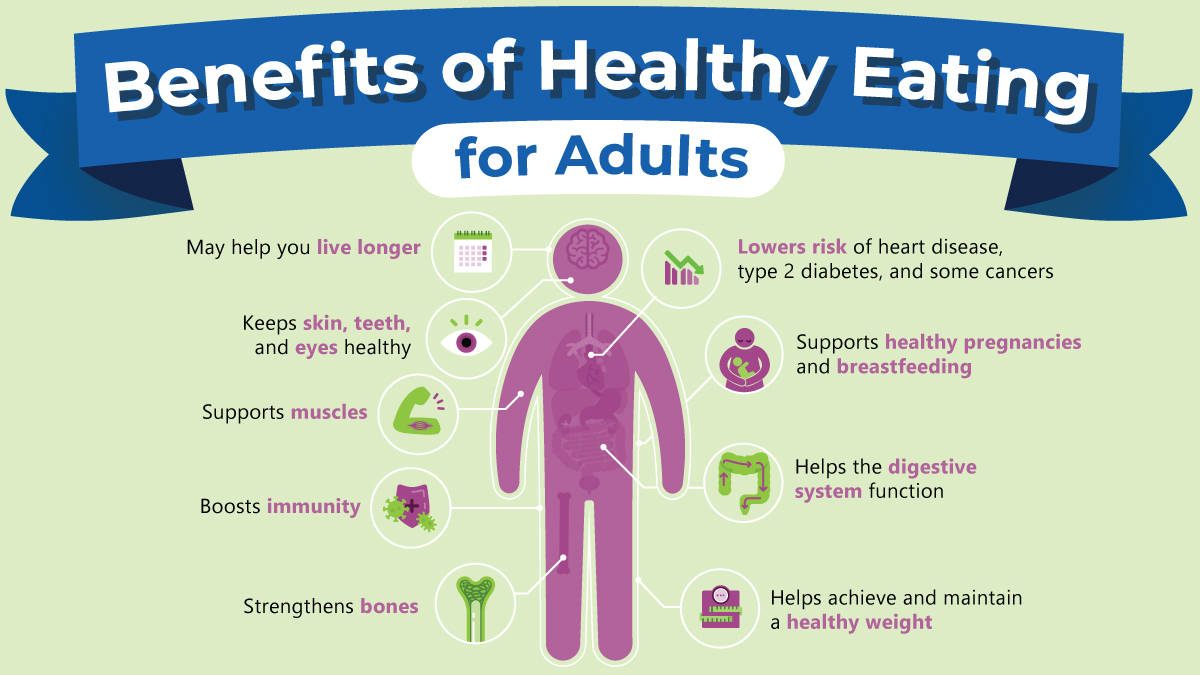

In today’s fast-paced world, it’s easy to rely on fast food, processed snacks, or skipping meals entirely. But did you know that what you eat directly impacts your energy, focus, and long-term healthy eating? A balanced diet isn’t just a trend—it’s a foundation for living well. By understanding the benefits of a balanced diet, you can make simple changes that improve your mood, energy levels, and overall wellness.
Whether you’re a busy professional, student, or parent, incorporating a variety of nutrients into your meals is easier than you think—and the rewards are well worth it.
A balanced diet provides your body with the right proportions of carbohydrates, proteins, fats, vitamins, and minerals. It’s about variety, moderation, and nutrient-rich foods rather than strict rules or calorie counting.
Some key components include:
- Carbohydrates: Provide energy for your daily activities. Opt for whole grains like oats, quinoa, and brown rice.
- Proteins: Support muscle health, immunity, and repair. Sources include eggs, fish, beans, and lean meats.
- Healthy Fats: Essential for brain function and heart health. Include avocados, nuts, seeds, and olive oil.
- Fruits and Vegetables: Packed with vitamins, minerals, and antioxidants that reduce inflammation and support overall wellness.
- Hydration: Water is an often-overlooked part of a balanced diet, helping digestion, energy, and skin health.
Top Benefits of a Balanced Diet

Eating a balanced diet offers a wide range of advantages. Here’s why nutrition experts recommend it:
1. Improved Energy Levels
Fueling your body with the right nutrients keeps your energy steady throughout the day. Complex carbohydrates, protein, and healthy fats help prevent mid-day slumps and improve focus at work or school.
2. Better Mental Health and Focus
Research shows that a nutrient-rich diet supports brain health. Omega-3 fatty acids, vitamins B and D, and antioxidants can improve mood, memory, and concentration.
3. Weight Management and Metabolism Support
A balanced diet helps maintain a healthy weight by controlling hunger, stabilizing blood sugar, and supporting metabolism. Meals that combine protein, fiber, and healthy fats reduce overeating and cravings.
4. Stronger Immune System
Nutrients like vitamin C, vitamin D, zinc, and protein strengthen the immune system. Eating a variety of fruits, vegetables, lean proteins, and whole grains keeps your body ready to fight off infections.
5. Heart Health and Reduced Disease Risk
Whole foods, healthy fats, and limited processed sugars and sodium contribute to cardiovascular health. A balanced diet lowers the risk of heart disease, diabetes, and other chronic conditions.
6. Healthy Skin, Hair, and Digestion
Vitamins, minerals, and fiber support healthy skin, hair, nails, and digestive function. Hydration and nutrient-rich meals help your body function optimally from the inside out.
Tips for Maintaining a Balanced Diet
Adopting a balanced diet is easier when you follow simple, practical tips:
- Plan your meals: Include a mix of protein, carbs, and healthy fats in every meal.
- Prep snacks in advance: Nuts, fruits, and yogurt cups make quick, nutrient-packed snacks.
- Hydrate regularly: Water is essential for digestion and energy.
- Diversify your plate: Eating a variety of foods ensures you get all necessary nutrients.
- Moderation over restriction: Treats are okay in small amounts; balance is key.
Common Myths About Balanced Diets

Even with growing awareness, misconceptions about balanced eating persist:
- Myth 1: “Healthy eating is expensive.”
Fact: Whole grains, seasonal vegetables, and legumes are budget-friendly and nutrient-rich. - Myth 2: “Carbs are bad.”
Fact: Complex carbohydrates provide essential energy—choose whole grains over processed carbs. - Myth 3: “Eating healthy is boring.”
Fact: A variety of herbs, spices, and seasonal produce keeps meals exciting and flavorful.
Expert Recommendations and Scientific Backing
Nutritionists and health organizations, including Harvard Health and the World Health Organization, emphasize that a balanced diet is fundamental for long-term health. Studies consistently show that nutrient-rich eating habits improve immunity, cognitive function, and longevity.
Dr. Jane Smith, a registered dietitian, advises:
“Focusing on variety, portion control, and nutrient-dense foods rather than restrictive diets is the most sustainable way to achieve overall wellness.”
Conclusion
The benefits of a balanced diet are clear: more energy, improved focus, stronger immunity, and better overall health. By incorporating fruits, vegetables, whole grains, proteins, and healthy fats into your daily meals, you can transform not just your body, but your quality of life.
Start with small, manageable changes—swap processed snacks for nuts, add colorful veggies to your lunch, and hydrate regularly. Over time, these habits lead to lasting improvements in energy, mood, and well-being.
Your health is your wealth, and a balanced diet is the key to protecting it.